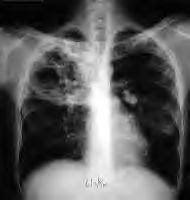
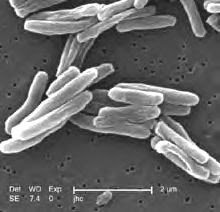
Health Department officials in Lee County confirmed a case of tuberculosis in a student at Edison State College late Wednesday night.
College spokeswoman Catherine Bergerson said the school is working with the health department to notify all 46 people believed to have come in close contact with the student at Edison’s Lee County campus: four faculty members and 42 students. All 46 people have been asked to take a tuberculosis test, which will be administered by health department officials at Edison early next week.
Lee County Health Department spokeswoman Jennifer James-Mesloh said her office does not have any information on where the student picked up the illness, but said it is usually shared by people who come in close contact. No other details on the student, including her condition, were available Thursday.
"The people that are going to be tested are going to be classmates of the student," she said. "The whole entire Edison campus doesn't need to think they need to be tested. It doesn't mean if you pass someone in the hallway you're going to get it."
The most recent statistics for tuberculosis in Lee County are from 2008, when 32 people had confirmed cases of tuberculosis. That is consistent with the rest of the state, James-Mesloh said.
http://www.naplesnews.com/news/2010/apr/08/tuberculosis-case-identified-edison-state-college/
Saturday, 10 April 2010


Automated reading microscopy sputum slides
Guardian Technologies International Inc. (OTCBB: GDTI) today announced that it has joined forces with two prominent industry leaders in laboratory solutions, Prior Scientific (www.prior.com) and Olympus Soft Imaging (www.soft-imaging.net), to create and accelerate the integration of Guardian's Signature Mapping™ (SM TBDx™) diagnostic software into a first-of-its-kind, fully automated sputum microscopy solution for the computer-aided-detection of tuberculosis.
SM TBDx's 92.86% accuracy in positive cases and 3.75% false positive field of views, in the November 2009 clinical trials, far exceeded the NHLS program objectives of 80% accuracy and no more than 20% false positives, as well as industry norms of less than 70% accuracy.
http://money.cnn.com/news/newsfeeds/articles/marketwire/0605567.htm
SM TBDx's 92.86% accuracy in positive cases and 3.75% false positive field of views, in the November 2009 clinical trials, far exceeded the NHLS program objectives of 80% accuracy and no more than 20% false positives, as well as industry norms of less than 70% accuracy.
http://money.cnn.com/news/newsfeeds/articles/marketwire/0605567.htm
Thursday, 8 April 2010
Market for Tbc medications
GIA announces the release of a comprehensive global report on Tuberculosis (TB) Therapeutics markets. Global tuberculosis therapeutics market is expected to exceed US$846 million by 2015. Outbreak of TB-HIV co-infections, emergence of MDR- and XDR- TB strains, and widespread disease prevalence in high burden regions such as Africa and Asia, where case detection rates are critically low posing significant challenge for the control of this disease, all indicate high unmet needs in diagnosis and treatment. The scenario presents excellent commercial opportunity for existing as well as new companies in this marketplace.
While modern medicine has rendered this highly contagious, and life-threatening disease curable, and treatable, the disease continues to challenge the medical community even to the present day. As the bacterium causing TB continues to evolve, mutate, and develop resistance against modern drugs, there exists an urgent and dire need to develop newer next generation drugs to fight the disease. The growing prevalence of XDR (extensively drug resistant) TB and MDR (multi-drug resistant) TB strains has created the need for newer diagnostics tools, and drugs to manage and control tuberculosis. R&D in this area confronts its toughest challenge ever, with global investments, and R& D funding on total TB research still continuing to fall short of requirements. The uncertainties over the level of the US government's contribution towards the Global Fund to Fight AIDS, Tuberculosis and Malaria (GFATM) has also taken its toll on research funding, leading to funding deficits. This shortfall in funds has knifed the availability of finances in high-burden regions, such as the Sub-Saharan region.
http://www.newsguide.us/health-medical/infectious-diseases/Global-Tuberculosis-TB-Therapeutics-Market-is-Projected-to-Exceed-US-846-Million-by-2015-According-to-New-Report-by-Global-Industry-Analysts-Inc/
While modern medicine has rendered this highly contagious, and life-threatening disease curable, and treatable, the disease continues to challenge the medical community even to the present day. As the bacterium causing TB continues to evolve, mutate, and develop resistance against modern drugs, there exists an urgent and dire need to develop newer next generation drugs to fight the disease. The growing prevalence of XDR (extensively drug resistant) TB and MDR (multi-drug resistant) TB strains has created the need for newer diagnostics tools, and drugs to manage and control tuberculosis. R&D in this area confronts its toughest challenge ever, with global investments, and R& D funding on total TB research still continuing to fall short of requirements. The uncertainties over the level of the US government's contribution towards the Global Fund to Fight AIDS, Tuberculosis and Malaria (GFATM) has also taken its toll on research funding, leading to funding deficits. This shortfall in funds has knifed the availability of finances in high-burden regions, such as the Sub-Saharan region.
http://www.newsguide.us/health-medical/infectious-diseases/Global-Tuberculosis-TB-Therapeutics-Market-is-Projected-to-Exceed-US-846-Million-by-2015-According-to-New-Report-by-Global-Industry-Analysts-Inc/
Tbc in Illinois
According to the Illinois Department of Public Health in 2009, 418 cases of active tuberculosis were reported in the state, a marked decrease from 469 in 2008. But according to the Centers for Disease Control and Prevention, the state ranks fifth in the nation for the highest number of cases.
"Despite seeing the lowest number of new tuberculosis cases in Illinois during 2009, we've already experienced a tuberculosis outbreak in the state this year," State Public Health Director Dr. Damon T. Arnold said in a press release announcing World TB Day. "Although most of us don't think about tuberculosis much anymore thanks to the advances in medicine, this outbreak reminds us that TB is still circulating in Illinois. I urge all citizens to increase their awareness of tuberculosis and to join the global effort to stop the spread of this disease."
http://www.herald-review.com/news/local/b137b9be-3c09-11df-8f0c-001cc4c002e0.html
"Despite seeing the lowest number of new tuberculosis cases in Illinois during 2009, we've already experienced a tuberculosis outbreak in the state this year," State Public Health Director Dr. Damon T. Arnold said in a press release announcing World TB Day. "Although most of us don't think about tuberculosis much anymore thanks to the advances in medicine, this outbreak reminds us that TB is still circulating in Illinois. I urge all citizens to increase their awareness of tuberculosis and to join the global effort to stop the spread of this disease."
http://www.herald-review.com/news/local/b137b9be-3c09-11df-8f0c-001cc4c002e0.html
U.S. Strategy Expands Tuberculosis Treatment
30 March 2010
U.S. Strategy Expands Tuberculosis Treatment, Control
Goals include faster TB detection, more HIV tests, stronger health systems
By Cheryl PellerinScience Writer
Washington ― On World Tuberculosis Day, March 24, the United States released a five-year strategy for dealing with the ancient and relentless contagious lung disease that sickens 9 million people a year and kills nearly 5,000 every day in some of the world’s poorest nations.
The strategy, called for by the 2008 Lantos-Hyde Leadership Act Against AIDS, TB and Malaria, details the government’s plans from 2009 to 2014 to address the global public health threat of TB, including multidrug-resistant TB (MDR-TB) and extensively drug-resistant TB (XDR-TB), forms of the disease that threaten to undermine recent progress in controlling TB.
“As part of the President’s Global Health Initiative we are accelerating our programs to control TB,” Dr. Rajiv Shah, administrator of the U.S. Agency for International Development (USAID), said in a video March 24 as he released the strategy.
“Working with our many partners,” he said, “we believe it will be possible to halve the number of TB cases and deaths by 2015. In doing so, 14 million lives could be saved.” The plan lays the groundwork for detecting and treating TB in 2.6 million people and 57,200 MDR patients.
“This is our blueprint for expanded treatment and control over the next five years,” Shah said. “We will work in close partnerships with host nations to implement this strategy.”
DEADLY CONTAGION
One-third of the planet’s population is infected with TB, which can be deadly if it becomes active in the body and is left untreated. The immune system can keep TB bacteria under control after a person becomes infected, but bacteria can become active when something — a medical condition such as HIV, for example — reduces a person’s immunity.
People in almost every country are infected with TB, but 22 countries account for 80 percent of the TB cases. The countries, in order, are India, China, Indonesia, Nigeria, South Africa, Bangladesh, Ethiopia, Pakistan, Philippines, Democratic Republic of Congo, Russia, Vietnam, Kenya, Brazil, Tanzania, Uganda, Zimbabwe, Thailand, Mozambique, Burma, Cambodia and Afghanistan.
TB is treated with a six- to nine-month course of “first-line” (most effective) drugs that cost less than $20. If patients do not complete the drug course or are treated improperly, they can develop MDR-TB. These patients must be treated with more expensive, less effective second-line drugs for 18 to 24 months.
If patients do not complete this course or are treated with the wrong drugs, they can develop XDR-TB, whose bacteria strains are resistant to all TB drugs. Fewer than 30 percent of XDR-TB patients who are otherwise healthy and whose immune systems are not compromised can be cured. More than half of those with XDR-TB die within five years of diagnosis.
http://www.america.gov/st/scitech-english/2010/March/20100330131534lcnirellep0.721081.html
U.S. Strategy Expands Tuberculosis Treatment, Control
Goals include faster TB detection, more HIV tests, stronger health systems
By Cheryl PellerinScience Writer
Washington ― On World Tuberculosis Day, March 24, the United States released a five-year strategy for dealing with the ancient and relentless contagious lung disease that sickens 9 million people a year and kills nearly 5,000 every day in some of the world’s poorest nations.
The strategy, called for by the 2008 Lantos-Hyde Leadership Act Against AIDS, TB and Malaria, details the government’s plans from 2009 to 2014 to address the global public health threat of TB, including multidrug-resistant TB (MDR-TB) and extensively drug-resistant TB (XDR-TB), forms of the disease that threaten to undermine recent progress in controlling TB.
“As part of the President’s Global Health Initiative we are accelerating our programs to control TB,” Dr. Rajiv Shah, administrator of the U.S. Agency for International Development (USAID), said in a video March 24 as he released the strategy.
“Working with our many partners,” he said, “we believe it will be possible to halve the number of TB cases and deaths by 2015. In doing so, 14 million lives could be saved.” The plan lays the groundwork for detecting and treating TB in 2.6 million people and 57,200 MDR patients.
“This is our blueprint for expanded treatment and control over the next five years,” Shah said. “We will work in close partnerships with host nations to implement this strategy.”
DEADLY CONTAGION
One-third of the planet’s population is infected with TB, which can be deadly if it becomes active in the body and is left untreated. The immune system can keep TB bacteria under control after a person becomes infected, but bacteria can become active when something — a medical condition such as HIV, for example — reduces a person’s immunity.
People in almost every country are infected with TB, but 22 countries account for 80 percent of the TB cases. The countries, in order, are India, China, Indonesia, Nigeria, South Africa, Bangladesh, Ethiopia, Pakistan, Philippines, Democratic Republic of Congo, Russia, Vietnam, Kenya, Brazil, Tanzania, Uganda, Zimbabwe, Thailand, Mozambique, Burma, Cambodia and Afghanistan.
TB is treated with a six- to nine-month course of “first-line” (most effective) drugs that cost less than $20. If patients do not complete the drug course or are treated improperly, they can develop MDR-TB. These patients must be treated with more expensive, less effective second-line drugs for 18 to 24 months.
If patients do not complete this course or are treated with the wrong drugs, they can develop XDR-TB, whose bacteria strains are resistant to all TB drugs. Fewer than 30 percent of XDR-TB patients who are otherwise healthy and whose immune systems are not compromised can be cured. More than half of those with XDR-TB die within five years of diagnosis.
http://www.america.gov/st/scitech-english/2010/March/20100330131534lcnirellep0.721081.html
Multi Drug Resistant Tb, Treatment Outcomes
Treatment outcomes for multidrug-resistant Mycobacterium Tuberculosis (MDRTB) are generally poor compared to drug sensitive disease. We sought to estimate treatment outcomes and identify risk factors associated with poor outcomes in patients with MDRTB.
Methodology/Principal Findings
We performed a systematic search (to December 2008) to identify trials describing outcomes of patients treated for MDRTB. We pooled appropriate data to estimate WHO-defined outcomes at the end of treatment and follow-up. Where appropriate, pooled covariates were analyzed to identify factors associated with worse outcomes. Among articles identified, 36 met our inclusion criteria, representing 31 treatment programmes from 21 countries. In a pooled analysis, 62% [95% CI 57–67] of patients had successful outcomes, while 13% [9]–[17] defaulted, 11% [9]–[13] died, and 2% [1]–[4] were transferred out. Factors associated with worse outcome included male gender 0.61 (OR for successful outcome) [0.46–0.82], alcohol abuse 0.49 [0.39–0.63], low BMI 0.41[0.23–0.72], smear positivity at diagnosis 0.53 [0.31–0.91], fluoroquinolone resistance 0.45 [0.22–0.91] and the presence of an XDR resistance pattern 0.57 [0.41–0.80]. Factors associated with successful outcome were surgical intervention 1.91 [1.44–2.53], no previous treatment 1.42 [1.05–1.94], and fluoroquinolone use 2.20 [1.19–4.09].
Conclusions/Significance
We have identified several factors associated with poor outcomes where interventions may be targeted. In addition, we have identified high rates of default, which likely contributes to the development and spread of MDRTB.
http://sciencestage.com/resources/treatment-outcomes-multidrug-resistant-tuberculosis-systematic-review-and-meta-analysis-1
Methodology/Principal Findings
We performed a systematic search (to December 2008) to identify trials describing outcomes of patients treated for MDRTB. We pooled appropriate data to estimate WHO-defined outcomes at the end of treatment and follow-up. Where appropriate, pooled covariates were analyzed to identify factors associated with worse outcomes. Among articles identified, 36 met our inclusion criteria, representing 31 treatment programmes from 21 countries. In a pooled analysis, 62% [95% CI 57–67] of patients had successful outcomes, while 13% [9]–[17] defaulted, 11% [9]–[13] died, and 2% [1]–[4] were transferred out. Factors associated with worse outcome included male gender 0.61 (OR for successful outcome) [0.46–0.82], alcohol abuse 0.49 [0.39–0.63], low BMI 0.41[0.23–0.72], smear positivity at diagnosis 0.53 [0.31–0.91], fluoroquinolone resistance 0.45 [0.22–0.91] and the presence of an XDR resistance pattern 0.57 [0.41–0.80]. Factors associated with successful outcome were surgical intervention 1.91 [1.44–2.53], no previous treatment 1.42 [1.05–1.94], and fluoroquinolone use 2.20 [1.19–4.09].
Conclusions/Significance
We have identified several factors associated with poor outcomes where interventions may be targeted. In addition, we have identified high rates of default, which likely contributes to the development and spread of MDRTB.
http://sciencestage.com/resources/treatment-outcomes-multidrug-resistant-tuberculosis-systematic-review-and-meta-analysis-1
Granuloma Encapsulation Is a Key Factor for Containing Tuberculosis Infection in Minipigs
April 7, 2010
A transthoracic infection involving a low dose of Mycobacterium tuberculosis has been used to establish a new model of infection in minipigs. The 20-week monitoring period showed a marked Th1 response and poor humoral response for the whole infection. A detailed histopathological analysis was performed after slicing the formalin-fixed whole lungs of each animal. All lesions were recorded and classified according to their microscopic aspect, their relationship with the intralobular connective network and their degree of maturity in order to obtain a dissemination ratio (DR) between recent and old lesions. CFU counts and evolution of the DR with time showed that the proposed model correlated with a contained infection, decreasing from week 9 onwards. These findings suggest that the infection induces an initial Th1 response, which is followed by local fibrosis and encapsulation of the granulomas, thereby decreasing the onset of new lesions. Two therapeutic strategies were applied in order to understand how they could influence the model. Thus, chemotherapy with isoniazid alone helped to decrease the total number of lesions, despite the increase in DR after week 9, with similar kinetics to those of the control group, whereas addition of a therapeutic M. tuberculosis fragment-based vaccine after chemotherapy increased the Th1 and humoral responses, as well as the number of lesions, but decreased the DR. By providing a local pulmonary structure similar to that in humans, the mini-pig model highlights new aspects that could be key to a better understanding tuberculosis infection control in humans.
http://elitestv.com/pub/2010/04/granuloma-encapsulation-is-a-key-factor-for-containing-tuberculosis-infection-in-minipigs
A transthoracic infection involving a low dose of Mycobacterium tuberculosis has been used to establish a new model of infection in minipigs. The 20-week monitoring period showed a marked Th1 response and poor humoral response for the whole infection. A detailed histopathological analysis was performed after slicing the formalin-fixed whole lungs of each animal. All lesions were recorded and classified according to their microscopic aspect, their relationship with the intralobular connective network and their degree of maturity in order to obtain a dissemination ratio (DR) between recent and old lesions. CFU counts and evolution of the DR with time showed that the proposed model correlated with a contained infection, decreasing from week 9 onwards. These findings suggest that the infection induces an initial Th1 response, which is followed by local fibrosis and encapsulation of the granulomas, thereby decreasing the onset of new lesions. Two therapeutic strategies were applied in order to understand how they could influence the model. Thus, chemotherapy with isoniazid alone helped to decrease the total number of lesions, despite the increase in DR after week 9, with similar kinetics to those of the control group, whereas addition of a therapeutic M. tuberculosis fragment-based vaccine after chemotherapy increased the Th1 and humoral responses, as well as the number of lesions, but decreased the DR. By providing a local pulmonary structure similar to that in humans, the mini-pig model highlights new aspects that could be key to a better understanding tuberculosis infection control in humans.
http://elitestv.com/pub/2010/04/granuloma-encapsulation-is-a-key-factor-for-containing-tuberculosis-infection-in-minipigs
Cedars Sinai Hospital, LA
The medical center was founded by Jewish philanthropists, who continue to be its primary support, among them numerous Hollywood celebrities.
Its forerunner was established in 1902, mainly to provide free treatment for tuberculosis-stricken Jewish workers from the sweatshops of New York and other East Coast cities.
http://www.jewishjournal.com/community/article/cedars-sinai_hit_with_47_million_payment_to_surgeon_20100407/
Its forerunner was established in 1902, mainly to provide free treatment for tuberculosis-stricken Jewish workers from the sweatshops of New York and other East Coast cities.
http://www.jewishjournal.com/community/article/cedars-sinai_hit_with_47_million_payment_to_surgeon_20100407/
Seaview Hospital, Staten Island
Two of the buildings of the historic Seaview Hospital and Home on Staten Island, NY were recently restored and converted into 104 apartments for senior citizens. The Hospital complex was designed by Raymond Almilrall and built between 1905 and 1938. Many of the buildings are in the Spanish Mission style. In the early 20th century, it was the largest tuberculosis hospital in the United States at a time when fresh air was considered the most effective treatment of "the white plague."
http://www.mycentraljersey.com/fdcp/?1270734986156
http://www.mycentraljersey.com/fdcp/?1270734986156
Chopin & Tbc
Fryderyk Chopin was born in Warsaw 200 years ago. By the time of his death from tuberculosis in 1849, the virtuoso and composer seemed to float gracefully above his troubled age. He came to resemble a musical "angel", "too fine, too exquisite, too perfect" for this crude world, as his great love, and great torment, the feminist novelist George Sand, once expressed it.
http://www.independent.co.uk/arts-entertainment/books/reviews/chopin-prince-of-the-romantics-by-adam-zamoyski-1937419.html
http://www.independent.co.uk/arts-entertainment/books/reviews/chopin-prince-of-the-romantics-by-adam-zamoyski-1937419.html
Tbc in London
HEALTH in Haringey is among the worst in London, statistics published last week reveal.
Out of the 32 separate indicators, the borough was considered worse than the London average in 15 of them.
Worst areas included drug misuse, new cases in Tuberculosis, diabetes and male life expectancy which sits at 76.
But 35 in every 1000 residents are claiming incapacity benefit because of mental illness, according to the Department of Health report. That equals 1 in 29.
http://www.haringeyindependent.co.uk/news/7990036.Health_in_Haringey_among_worst_in_London/
Out of the 32 separate indicators, the borough was considered worse than the London average in 15 of them.
Worst areas included drug misuse, new cases in Tuberculosis, diabetes and male life expectancy which sits at 76.
But 35 in every 1000 residents are claiming incapacity benefit because of mental illness, according to the Department of Health report. That equals 1 in 29.
http://www.haringeyindependent.co.uk/news/7990036.Health_in_Haringey_among_worst_in_London/
India's Tuberculosis Program Provides Hope to Millions
April 7, 2010
India has one of the most severe burdens of tuberculosis in the world, accounting for one-fifth of the global incidence. TB is India's leading cause of adult illness and death from a communicable disease. Most of those infected are 15- to 59-year-old adults, the most economically productive segment of society.
In 1993, the Indian Government began to treat tuberculosis patients with the World Health Organization-recommended Directly Observed Treatment Short-course (DOTS). Left on their own, many TB patients fail to take the entire regimen of medication, contributing to the spread of drug-resistant TB for which treatment is long, difficult and expensive. Under DOTS, healthcare workers observe patients as they take their medicine.
More than one billion people covered by DOTS Strategy
In 1997 the Government formally launched the DOTS strategy nationwide. The first World Bank credit (1997- 2005) allowed rapid expansion of the DOTS strategy throughout the country. By providing free diagnostic and treatment services through public or non-public institutions, the project ensured the availability of TB diagnosis and treatment to all citizens regardless of their economic status. Full nationwide coverage of the DOTS strategy was achieved in March 2006, covering over one billion people.
"In the earlier TB control program, patients were good with collecting medicines, but we could not ensure that they took them. Now these medicines are administered at the clinic and its several satellite centers, thus ensuring that patients actually do take their medicines," said Dr. Ravinder Verma, Medical Officer In-charge, at a government Chest Clinic and HIV Center in New Delhi.
Detection and cure rates increased dramatically
The results have been dramatic. Diagnosis is far more accurate. While x-rays were used to detect the disease earlier, the sputum analysis test has increased detection levels from 30% to 70% at the national level, achieving global targets. Between 1997 and 2008, more than 9.5 million people suffering from TB were diagnosed and placed on treatment, thus saving more than 1.7 million additional lives.
Cure rates for those placed on treatment have also increased dramatically - tripling from 25% in 1997 to 86% in 2009, exceeding the global target. As a result, deaths from the disease were cut sevenfold - from 29% in 1997 to 4% in 2008.
Another key reason for the success is that the entire DOTS program is decentralized. Diagnosis done in the villages rather than in district hospitals. Quality-assured diagnostic facilities are available through more than 12,000 microscopy centers.
Moreover, more than 300,000 local health workers or trained community volunteers ensure that patients adhere to their drug regimen. Associations of medical professionals are promoting international standards for TB care. Also participating are over 250 medical colleges and some 2,500 NGOs.
http://www.reliefweb.int/rw/rwb.nsf/db900SID/SMAR-84A9DH?OpenDocument
India has one of the most severe burdens of tuberculosis in the world, accounting for one-fifth of the global incidence. TB is India's leading cause of adult illness and death from a communicable disease. Most of those infected are 15- to 59-year-old adults, the most economically productive segment of society.
In 1993, the Indian Government began to treat tuberculosis patients with the World Health Organization-recommended Directly Observed Treatment Short-course (DOTS). Left on their own, many TB patients fail to take the entire regimen of medication, contributing to the spread of drug-resistant TB for which treatment is long, difficult and expensive. Under DOTS, healthcare workers observe patients as they take their medicine.
More than one billion people covered by DOTS Strategy
In 1997 the Government formally launched the DOTS strategy nationwide. The first World Bank credit (1997- 2005) allowed rapid expansion of the DOTS strategy throughout the country. By providing free diagnostic and treatment services through public or non-public institutions, the project ensured the availability of TB diagnosis and treatment to all citizens regardless of their economic status. Full nationwide coverage of the DOTS strategy was achieved in March 2006, covering over one billion people.
"In the earlier TB control program, patients were good with collecting medicines, but we could not ensure that they took them. Now these medicines are administered at the clinic and its several satellite centers, thus ensuring that patients actually do take their medicines," said Dr. Ravinder Verma, Medical Officer In-charge, at a government Chest Clinic and HIV Center in New Delhi.
Detection and cure rates increased dramatically
The results have been dramatic. Diagnosis is far more accurate. While x-rays were used to detect the disease earlier, the sputum analysis test has increased detection levels from 30% to 70% at the national level, achieving global targets. Between 1997 and 2008, more than 9.5 million people suffering from TB were diagnosed and placed on treatment, thus saving more than 1.7 million additional lives.
Cure rates for those placed on treatment have also increased dramatically - tripling from 25% in 1997 to 86% in 2009, exceeding the global target. As a result, deaths from the disease were cut sevenfold - from 29% in 1997 to 4% in 2008.
Another key reason for the success is that the entire DOTS program is decentralized. Diagnosis done in the villages rather than in district hospitals. Quality-assured diagnostic facilities are available through more than 12,000 microscopy centers.
Moreover, more than 300,000 local health workers or trained community volunteers ensure that patients adhere to their drug regimen. Associations of medical professionals are promoting international standards for TB care. Also participating are over 250 medical colleges and some 2,500 NGOs.
http://www.reliefweb.int/rw/rwb.nsf/db900SID/SMAR-84A9DH?OpenDocument
Slum Life and Tbc -- USAID intentions
Statement from USAID Administrator Rajiv Shah on the Occasion of World Health Day
WASHINGTON, April 7 /PRNewswire-USNewswire/ -- This year the focus of World Health Day is on the world's growing urban population. The theme, "1000 cities, 1000 lives" provides an opportunity to highlight the work that is being done to improve health in urban settings. The unprecedented rate of urban growth has far outstripped the ability of these cities to provide infrastructure for new residents. This lack of infrastructure will lead to an estimated 2 billion people living in slums over the next 20 years.
The growth of slums, which results from poorly managed urban growth, can give rise to the spread of both chronic and infectious diseases. Poor air quality, lack of access to potable water, limited sanitation, and poverty can lead to higher rates of infant and child mortality, higher rates of infectious diseases such as tuberculosis, and poor nutrition.
The U.S. Agency for International Development (USAID) is working to meet the challenges of urbanization and health through our "Making Cities Work" strategy. This strategy targets the needs of the urban poor and other vulnerable people by driving economic growth and improving access to health care and quality education. The United States has also made a bold commitment to invest in healthy and productive lives as part of President Obama's Global Health Initiative. Finally, USAID's Urban Programs Team engages local governments, citizens, non-governmental organizations and the private sector to develop sustainable solutions to urban challenges.
USAID is committed to working with our partners to promote health, development and a better quality of life for people in cities around the world.
http://www.prnewswire.com/news-releases/statement-from-usaid-administrator-rajiv-shah-on-the-occasion-of-world-health-day-90094377.html
WASHINGTON, April 7 /PRNewswire-USNewswire/ -- This year the focus of World Health Day is on the world's growing urban population. The theme, "1000 cities, 1000 lives" provides an opportunity to highlight the work that is being done to improve health in urban settings. The unprecedented rate of urban growth has far outstripped the ability of these cities to provide infrastructure for new residents. This lack of infrastructure will lead to an estimated 2 billion people living in slums over the next 20 years.
The growth of slums, which results from poorly managed urban growth, can give rise to the spread of both chronic and infectious diseases. Poor air quality, lack of access to potable water, limited sanitation, and poverty can lead to higher rates of infant and child mortality, higher rates of infectious diseases such as tuberculosis, and poor nutrition.
The U.S. Agency for International Development (USAID) is working to meet the challenges of urbanization and health through our "Making Cities Work" strategy. This strategy targets the needs of the urban poor and other vulnerable people by driving economic growth and improving access to health care and quality education. The United States has also made a bold commitment to invest in healthy and productive lives as part of President Obama's Global Health Initiative. Finally, USAID's Urban Programs Team engages local governments, citizens, non-governmental organizations and the private sector to develop sustainable solutions to urban challenges.
USAID is committed to working with our partners to promote health, development and a better quality of life for people in cities around the world.
http://www.prnewswire.com/news-releases/statement-from-usaid-administrator-rajiv-shah-on-the-occasion-of-world-health-day-90094377.html
Regulation of antigen presentation by Mycobacterium tuberculosis: a role for Toll-like receptors
Regulation of antigen presentation by Mycobacterium tuberculosis: a role for Toll-like receptors
Clifford V. Harding & W. Henry Boom
Mycobacterium tuberculosis survives in antigen-presenting cells (APCs) such as macrophages and dendritic cells. APCs present antigens in association with major histocompatibility complex (MHC) class II molecules to stimulate CD4+ T cells, and this process is essential to contain M. tuberculosis infection. Immune evasion allows M. tuberculosis to establish persistent or latent infection in macrophages and results in Toll-like receptor 2 (TLR2)-dependent inhibition of MHC class II transactivator expression, MHC class II molecule expression and antigen presentation. This reduction of antigen presentation might reflect a general mechanism of negative-feedback regulation that prevents excessive T cell-mediated inflammation and that M. tuberculosis has subverted to create a niche for survival in infected macrophages and evasion of recognition by CD4+ T cells.
http://www.nature.com/nrmicro/journal/v8/n4/abs/nrmicro2321.html
Clifford V. Harding & W. Henry Boom
Mycobacterium tuberculosis survives in antigen-presenting cells (APCs) such as macrophages and dendritic cells. APCs present antigens in association with major histocompatibility complex (MHC) class II molecules to stimulate CD4+ T cells, and this process is essential to contain M. tuberculosis infection. Immune evasion allows M. tuberculosis to establish persistent or latent infection in macrophages and results in Toll-like receptor 2 (TLR2)-dependent inhibition of MHC class II transactivator expression, MHC class II molecule expression and antigen presentation. This reduction of antigen presentation might reflect a general mechanism of negative-feedback regulation that prevents excessive T cell-mediated inflammation and that M. tuberculosis has subverted to create a niche for survival in infected macrophages and evasion of recognition by CD4+ T cells.
http://www.nature.com/nrmicro/journal/v8/n4/abs/nrmicro2321.html
MicuRx Pharmaceuticals and Cumencor Pharmaceuticals
Biotechnology companies MicuRx Pharmaceuticals and Cumencor Pharmaceuticals said Wednesday they are collaborating with Pfizer Inc. to develop antibiotics for drug-resistant tuberculosis in China.
Under the deal, New York-based Pfizer will provide an upfront payment, funding for the discovery and preclinical development of antibiotics, and payments linked to the development and commercialization of any antibiotics developed through the partnership.
Financial details of the deal were not disclosed.
Cumencor Pharmaceuticals, based in China, is applying MicuRx's technology to develop antibiotics. MicuRx is based in Hayward, Calif.
http://www.businessweek.com/ap/financialnews/D9EUBI3O0.htm
Under the deal, New York-based Pfizer will provide an upfront payment, funding for the discovery and preclinical development of antibiotics, and payments linked to the development and commercialization of any antibiotics developed through the partnership.
Financial details of the deal were not disclosed.
Cumencor Pharmaceuticals, based in China, is applying MicuRx's technology to develop antibiotics. MicuRx is based in Hayward, Calif.
http://www.businessweek.com/ap/financialnews/D9EUBI3O0.htm
Wednesday, 7 April 2010
Bovine TB in Nebraska
LINCOLN – Nebraska Agriculture Director Greg Ibach today provided information on the status of bovine tuberculosis (TB) testing in the state. The update included details to wrap up the investigation into the June 2009 finding of two TB positive beef cows in a Rock County herd. Ibach also offered information in follow-up to a January announcement regarding NDA’s cooperation with South Dakota officials on the finding of a TB-positive beef cow in that state.“We are extremely pleased that after extensive testing, we did not find any additional positive cases of TB in association with the Rock County investigation,” Ibach said. “Unfortunately the disease has been found in association with another investigation.“I don’t believe this new case is indicative of a TB problem in our state,” he said. “I think it is representative of the vast scope of agriculture in Nebraska and the regionalization of the livestock industry. We are a major processor of red meat, and we are one of the largest cattle feeding states. Those factors mean NDA must exercise due diligence regarding disease surveillance and investigations.”
http://www.cattlenetwork.com/NDA-Director-Provides-Update-On-Bovine-Tuberculosis-In-Nebraska/2010-04-07/Article_Latest_News.aspx?oid=1037314&fid=CN-LATEST_NEWS_&aid=760
http://www.cattlenetwork.com/NDA-Director-Provides-Update-On-Bovine-Tuberculosis-In-Nebraska/2010-04-07/Article_Latest_News.aspx?oid=1037314&fid=CN-LATEST_NEWS_&aid=760
Tuesday, 6 April 2010
Evidence to Policy Initiative
New global health initiative will help bridge gap between knowledge, action
Sir Richard Feachem
UCSF and SEEK Development, a global health and development consulting group based in Berlin, Germany, have launched an international partnership that aims to improve global health by helping to turn scientific evidence into policy and action. The Evidence-to-Policy Initiative, or E2Pi, officially launches this week in San Francisco and Berlin, Germany. “For many of the world’s major health challenges – including HIV, tuberculosis, malaria, and maternal and child deaths – a failure to translate evidence on what works into practical health policies is costing lives,” said Sir Richard Feachem, director of the UCSF Global Health Group, which is leading the collaboration. E2Pi aims to help address some of these challenges by closing the gap between what is known and what gets done in practice. “The gap between available scientific knowledge and its application in solving global health problems is one of the reasons why poor countries suffer such a high burden of disease and premature death,” said Feachem, who was formerly the founding executive director of the Global Fund to Fight AIDS, Tuberculosis and Malaria. “E2Pi will help to address this issue by conducting rigorous and independent analyses of the available research evidence leading to specific, action-oriented recommendations to policy- and decision-makers.” Funding for the initiative’s first three years is provided by a $3.2 million grant from the Bill & Melinda Gates Foundation. E2Pi has already produced a series of briefings summarizing evidence of progress in tackling eight global health priorities (HIV/AIDS, tuberculosis, malaria, polio, immunization, maternal and child health, nutrition, and neglected tropical diseases). These briefings supported the launch of the Living Proof Project, an advocacy campaign spearheaded by the Bill & Melinda Gates Foundation that aims to sustain and increase investments in global health (www.livingproofproject.org).
Sir Richard Feachem
UCSF and SEEK Development, a global health and development consulting group based in Berlin, Germany, have launched an international partnership that aims to improve global health by helping to turn scientific evidence into policy and action. The Evidence-to-Policy Initiative, or E2Pi, officially launches this week in San Francisco and Berlin, Germany. “For many of the world’s major health challenges – including HIV, tuberculosis, malaria, and maternal and child deaths – a failure to translate evidence on what works into practical health policies is costing lives,” said Sir Richard Feachem, director of the UCSF Global Health Group, which is leading the collaboration. E2Pi aims to help address some of these challenges by closing the gap between what is known and what gets done in practice. “The gap between available scientific knowledge and its application in solving global health problems is one of the reasons why poor countries suffer such a high burden of disease and premature death,” said Feachem, who was formerly the founding executive director of the Global Fund to Fight AIDS, Tuberculosis and Malaria. “E2Pi will help to address this issue by conducting rigorous and independent analyses of the available research evidence leading to specific, action-oriented recommendations to policy- and decision-makers.” Funding for the initiative’s first three years is provided by a $3.2 million grant from the Bill & Melinda Gates Foundation. E2Pi has already produced a series of briefings summarizing evidence of progress in tackling eight global health priorities (HIV/AIDS, tuberculosis, malaria, polio, immunization, maternal and child health, nutrition, and neglected tropical diseases). These briefings supported the launch of the Living Proof Project, an advocacy campaign spearheaded by the Bill & Melinda Gates Foundation that aims to sustain and increase investments in global health (www.livingproofproject.org).
Tuberculosis World Wide
Tuberculosis kills more than 1.7 million people around the world each year, and this figure is growing as over-crowded conditions in poverty stricken areas can elevate transmission rates. The World Health Organization’s (WHO) recently published report, entitled “Multidrug and extensively drug-resistant TB (M/XDR-TB): 2010 Global Report on Surveillance and Response” outlines the prevalence of the disease and its potential global impact. In it, data from 114 countries around the world are examined to determine the extent of this “serious threat to global health.”
No retreat on TB
The following editorial appeared in the Miami Herald on Wednesday, March 31 2010:
A new report by the World Health Organization details how drug-resistant strains of tuberculosis are raising the stakes to combat this contagious disease worldwide.
A global epidemic -- and security threat -- is in the making if this airborne disease is not attacked swiftly and with precision. For South Florida, an international hub for tourists and immigrants, the threat is real.
Unfortunately, President Obama's budget proposal this year would cut $50 million from a $4 billion, five-year plan to fight TB globally and flatlines money for domestic TB-fighting programs. That's a turnaround from the Bush administration, which pushed through record levels of support to the global fund to fight AIDS, tuberculosis and malaria in 2008. This is no time to retreat.
On average, the global fund saves 3,600 lives a day, but, still, 1.7 million people die each year from TB because it goes untreated.
U.S. statistics show the number of TB cases decreased in this country by 11.4 percent in 2009, according to the Centers for Disease Control, but the rate for immigrants continues to be higher. Rates in parts of Russia, in African countries like Lesotho and in our hemisphere -- Haiti, Mexico and the Dominican Republic -- are spiking, particularly in rural regions. They need more labs to conduct TB tests and ensure the right antibiotics are tackling ever tougher strains.
Urgency matters now because new antibiotic-resistant strains of TB are emerging. New types of drugs need to be developed that can treat extensively drug-resistant tuberculosis, known as XDR-TB. So far, 58 nations have reported XDR-TB cases, and, more troublesome, there are another 79 countries that didn't track cases, so it's anyone's guess. Whether rich or poor, TB strikes indiscriminately. This is a global battle, and the United States should be leading the way -- not retreating from this menace.
A new report by the World Health Organization details how drug-resistant strains of tuberculosis are raising the stakes to combat this contagious disease worldwide.
A global epidemic -- and security threat -- is in the making if this airborne disease is not attacked swiftly and with precision. For South Florida, an international hub for tourists and immigrants, the threat is real.
Unfortunately, President Obama's budget proposal this year would cut $50 million from a $4 billion, five-year plan to fight TB globally and flatlines money for domestic TB-fighting programs. That's a turnaround from the Bush administration, which pushed through record levels of support to the global fund to fight AIDS, tuberculosis and malaria in 2008. This is no time to retreat.
On average, the global fund saves 3,600 lives a day, but, still, 1.7 million people die each year from TB because it goes untreated.
U.S. statistics show the number of TB cases decreased in this country by 11.4 percent in 2009, according to the Centers for Disease Control, but the rate for immigrants continues to be higher. Rates in parts of Russia, in African countries like Lesotho and in our hemisphere -- Haiti, Mexico and the Dominican Republic -- are spiking, particularly in rural regions. They need more labs to conduct TB tests and ensure the right antibiotics are tackling ever tougher strains.
Urgency matters now because new antibiotic-resistant strains of TB are emerging. New types of drugs need to be developed that can treat extensively drug-resistant tuberculosis, known as XDR-TB. So far, 58 nations have reported XDR-TB cases, and, more troublesome, there are another 79 countries that didn't track cases, so it's anyone's guess. Whether rich or poor, TB strikes indiscriminately. This is a global battle, and the United States should be leading the way -- not retreating from this menace.
Monday, 5 April 2010
NAME CHANGE
Today. 2010, April 5th, I've expanded the interest to add the fields of Malnutrition and Malaria, very much the problems of Africa and Asia, in a second blog.
Subscribe to:
Posts (Atom)