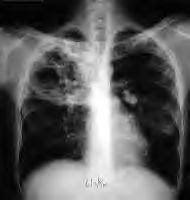
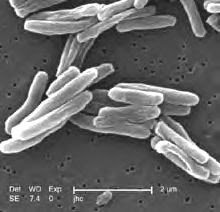
Fluoroquinolone antibiotics are relatively new drugs in anti-tuberculosis (TB) treatment, with the potential to become the first new class of drugs to be recommended for routine treatment since rifamycins in the 1960s. Later generation fluoroquinolones, including levofloxacin, gatifloxacin, and moxifloxacin have been found to be safe and well-tolerated in observational studies and phase 2 clinical trials, except for a risk of severe dysglycemias with gatifloxacin. These drugs currently are used as second-line agents in treatment of TB cases with drug resistance and drug intolerance, and empirically in treatment of infected contacts of patients with multi-drug resistant TB. Widespread use of fluoroquinolones for treatment of community acquired pneumonia and other bacterial infections is leading to the emergence and spread of strains of Mycobacterium tuberculosis that are fluoroquinolone-resistant, putting at risk the potential effectiveness of these drugs against TB. Clinical trials are under way to determine whether fluoroquinolone-based treatment regimens can shorten the duration of TB therapy. The ultimate contributions of fluoroquinolones to TB control remain to be determined.
http://www.la-press.com/pulmonary-tuberculosis-focus-on-the-fluoroquinolones-a1986
Showing posts with label Multi Drug Resistant Tb. Show all posts
Showing posts with label Multi Drug Resistant Tb. Show all posts
Tuesday, 20 April 2010


Saturday, 17 April 2010
Azerbaijan: drug resistant tbc in released prisoners
The work on the continuation of treatment of released prisoners with drug-resistant form of tuberculosis has been launched in Azerbaijan, the Ministry of Justice Chief Medical Office head Rafael Mehdiyev said in an interview with Trend.
"Treatment is held under control for released prisoners with drug-resistant form of tuberculosis to be fully treated. We want to expand the scope of activities in this regard, " the department head said.
Mehdiyev said that the activity to continue treatment after release of prisoners with a resistant form of tuberculosis is based on the agreement reached by the Chief Medical Office, Institute for Lung Diseases and the International Committee of the Red Cross (ICRC).
"The prisoners is a special category of people with mentality, requiring an individual approach. In some cases, detainees released under various pretexts, begin to shy away from treatment. It was agreed to achieve full recovery of these individuals to avoid such facts. Therefore, the corresponding work is being held", the department head said.
http://en.trend.az/news/society/rights/1668794.html
"Treatment is held under control for released prisoners with drug-resistant form of tuberculosis to be fully treated. We want to expand the scope of activities in this regard, " the department head said.
Mehdiyev said that the activity to continue treatment after release of prisoners with a resistant form of tuberculosis is based on the agreement reached by the Chief Medical Office, Institute for Lung Diseases and the International Committee of the Red Cross (ICRC).
"The prisoners is a special category of people with mentality, requiring an individual approach. In some cases, detainees released under various pretexts, begin to shy away from treatment. It was agreed to achieve full recovery of these individuals to avoid such facts. Therefore, the corresponding work is being held", the department head said.
http://en.trend.az/news/society/rights/1668794.html
Thursday, 8 April 2010
Multi Drug Resistant Tb, Treatment Outcomes
Treatment outcomes for multidrug-resistant Mycobacterium Tuberculosis (MDRTB) are generally poor compared to drug sensitive disease. We sought to estimate treatment outcomes and identify risk factors associated with poor outcomes in patients with MDRTB.
Methodology/Principal Findings
We performed a systematic search (to December 2008) to identify trials describing outcomes of patients treated for MDRTB. We pooled appropriate data to estimate WHO-defined outcomes at the end of treatment and follow-up. Where appropriate, pooled covariates were analyzed to identify factors associated with worse outcomes. Among articles identified, 36 met our inclusion criteria, representing 31 treatment programmes from 21 countries. In a pooled analysis, 62% [95% CI 57–67] of patients had successful outcomes, while 13% [9]–[17] defaulted, 11% [9]–[13] died, and 2% [1]–[4] were transferred out. Factors associated with worse outcome included male gender 0.61 (OR for successful outcome) [0.46–0.82], alcohol abuse 0.49 [0.39–0.63], low BMI 0.41[0.23–0.72], smear positivity at diagnosis 0.53 [0.31–0.91], fluoroquinolone resistance 0.45 [0.22–0.91] and the presence of an XDR resistance pattern 0.57 [0.41–0.80]. Factors associated with successful outcome were surgical intervention 1.91 [1.44–2.53], no previous treatment 1.42 [1.05–1.94], and fluoroquinolone use 2.20 [1.19–4.09].
Conclusions/Significance
We have identified several factors associated with poor outcomes where interventions may be targeted. In addition, we have identified high rates of default, which likely contributes to the development and spread of MDRTB.
http://sciencestage.com/resources/treatment-outcomes-multidrug-resistant-tuberculosis-systematic-review-and-meta-analysis-1
Methodology/Principal Findings
We performed a systematic search (to December 2008) to identify trials describing outcomes of patients treated for MDRTB. We pooled appropriate data to estimate WHO-defined outcomes at the end of treatment and follow-up. Where appropriate, pooled covariates were analyzed to identify factors associated with worse outcomes. Among articles identified, 36 met our inclusion criteria, representing 31 treatment programmes from 21 countries. In a pooled analysis, 62% [95% CI 57–67] of patients had successful outcomes, while 13% [9]–[17] defaulted, 11% [9]–[13] died, and 2% [1]–[4] were transferred out. Factors associated with worse outcome included male gender 0.61 (OR for successful outcome) [0.46–0.82], alcohol abuse 0.49 [0.39–0.63], low BMI 0.41[0.23–0.72], smear positivity at diagnosis 0.53 [0.31–0.91], fluoroquinolone resistance 0.45 [0.22–0.91] and the presence of an XDR resistance pattern 0.57 [0.41–0.80]. Factors associated with successful outcome were surgical intervention 1.91 [1.44–2.53], no previous treatment 1.42 [1.05–1.94], and fluoroquinolone use 2.20 [1.19–4.09].
Conclusions/Significance
We have identified several factors associated with poor outcomes where interventions may be targeted. In addition, we have identified high rates of default, which likely contributes to the development and spread of MDRTB.
http://sciencestage.com/resources/treatment-outcomes-multidrug-resistant-tuberculosis-systematic-review-and-meta-analysis-1
Subscribe to:
Posts (Atom)