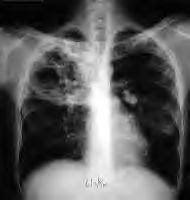
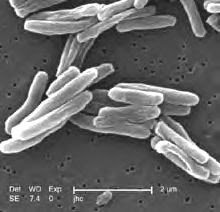
A study has found that the WHO's tuberculosis programme in South Africa inadvertently helped a strain of TB-causing bacteria develop additional drug resistance.
Researchers from the University of KwaZulu-Natal's Nelson Mandela School of Medicine tracked the development of drug resistance in a strain of Mycobacterium tuberculosis over a 12-year period.
They found that by the time the WHO introduced their programme in South Africa in 2001 — using a second-line medication to combat multidrug-resistant strains of TB — at least one strain had already developed resistance to one or more of the second-line drugs.
But because the programme didn't conduct drug susceptibility tests, the new second-line medication was not only useless to TB patients infected with the resistant strain, but also led to the strain developing additional drug resistance. This is because when an M. tuberculosis strain is resistant to a drug, it survives and can subsequently evolve resistance to additional drugs. The strain eventually became extensively drug-resistant (XDR-TB), resistant to seven anti-TB drugs in total, including first-line and several second-line drugs.
http://tinyurl.com/2h88eo
Monday, 29 October 2007


Sunday, 21 October 2007
Close contact!
PHILIPSBURG, St. Maarten - Dozens of people in St. Maarten are being treated for latent tuberculosis after health officials warned that they may have been exposed to the illness by a stripper infected with an active form of the disease.
At least 40 people tested positive after the health department treated an exotic dancer from the Dominican Republic several months ago and sent her home, according to a government news release issued Friday.
Health officials struggled to identify those exposed, launching a public campaign to urge anyone who had contact with the woman to seek treatment. They now believe they have identified everyone infected.
http://www.msnbc.msn.com/id/21395893/
At least 40 people tested positive after the health department treated an exotic dancer from the Dominican Republic several months ago and sent her home, according to a government news release issued Friday.
Health officials struggled to identify those exposed, launching a public campaign to urge anyone who had contact with the woman to seek treatment. They now believe they have identified everyone infected.
http://www.msnbc.msn.com/id/21395893/
WHO EURO region's Ministerial Forum
"If the Berlin Ministerial Forum wishes to act now to eradicate tuberculosis, it must reach out far beyond the borders of Europe." The WHO EURO region's Ministerial Forum on tuberculosis on October 22, 2007, in Berlin, must take account of the threat of TB both outside as well as inside Europe if it is to be tackled adequately. These are the conclusions of authors of a Comment published in this week's edition of The Lancet. The Comment is authored by Dr Bruce Currey, Professor Quazi Quamruzzaman, and Professor Mahmuder Rahman, Dhaka Community Hospital, Dhaka, Bangladesh. They say that in a 21st century that is becoming more and more global, to reduce the incidence of tuberculosis within Europe, European ministers must act together and act now, not simply to control, but also to eradicate poverty and tuberculosis in the source communities of Europe's migrant workers and major trade partners outside Europe. The Ministerial Forum must confront the raging red bull of tuberculosis infections outside Europe. It goes on to say that the Berlin forum paper emphasises the 66 000 deaths from tuberculosis inside Europe in 2005, but overlooks the 1•6 million deaths outside Europe. It adds that radical reduction of the incidence of tuberculosis both inside and outside Europe requires prevention of the progression to new active cases as well as management of active cases. Eradication is possible, but not with drugs alone. Further, it adds: "Trade and trade embargoes affect the incidence of tuberculosis. The Centres for Disease Control and Prevention has shown how radical intervention in the Hmong refugee centres of Thailand can reduce the incidence of tuberculosis and multidrug-resistant tuberculosis in the Hmong in Fresno, California." The Comment authors propose a six-pronged approach to tackling the tuberculosis threat, including incorporating populations outside Europe, and the Forum accepting responsibility for actions such as arms trading and oil prices which increase inequality and tuberculosis incidence worldwide. The last of the six parts of the authors' suggested action calls on the Forum to get behind the UK Prime Minister's address to the UN in July 2007, to "act now" to tackle global poverty and "eradicate" the scourge of diseases such as tuberculosis, and his commitment that there are resources available to eradicate the disease. The Comment concludes: "If the Berlin Ministerial Forum wishes to act now to eradicate tuberculosis, it must reach out far beyond the borders of Europe."
http://www.medicalnewstoday.com/articles/86091.php
http://www.medicalnewstoday.com/articles/86091.php
Thursday, 18 October 2007
UN Special Envoy
The UN special envoy to stop TB visited Washington Wednesday to lobby US officials
for more funding to fight the disease. Congress is currently debating whether to double funding for TB programs to $200 million.
It’s estimated that each year, nearly nine million people develop tuberculosis, with more than one and a half million dying from the disease. That’s despite the fact that it’s both preventable and curable.
The UN special envoy to stop TB - former Portuguese president Jorge Sampaio – says there’s renewed interest and concern about the disease.
“The fact that Congress is dedicating much more attention to TB, because everyone thought that TB was finished and it was not a first-degree concern – the fact that it’s now unfortunately becoming a concern I think is a very positive step because in a way these things need to be fought against, needs to be on the agenda,” he says.
Sampaio says tuberculosis and other killer diseases are linked and often should be treated at the same time.
“Attack the three pillars - and I mean by that TB, HIV and malaria – TB now is also the main killer of HIV people on AIDS treatment – another thing is that it’s developing new strains which are resistant to the well-known treatment. So, TB presents new facets of danger, considering globalization, considering that it is a very quickly transmissible disease,” he says.
Those newer strains are called MDR and XDR-TB. The UN special envoy agrees with the description that TB is the Achilles Heel of AIDS treatment.
He says, “It’s an Achilles Heel simply because of the fact that there’s a dramatic irony in all this. Because you don’t have the cure for AIDS, but you do have anti-retrovirals, but of course people with AIDS a great percentage of them simply die because they catch TB, which is not diagnosed on time, which is in fact not controlled in time. They die because they are not treated carefully and in time for a curable disease.”
He says if all countries and health and aid agencies work together, it is possible to achieve the Millennium Development Goal of saving up to 14 million additional lives by 2015.
http://www.voanews.com/english/Africa/2007-10-17-voa37.cfm
for more funding to fight the disease. Congress is currently debating whether to double funding for TB programs to $200 million.
It’s estimated that each year, nearly nine million people develop tuberculosis, with more than one and a half million dying from the disease. That’s despite the fact that it’s both preventable and curable.
The UN special envoy to stop TB - former Portuguese president Jorge Sampaio – says there’s renewed interest and concern about the disease.
“The fact that Congress is dedicating much more attention to TB, because everyone thought that TB was finished and it was not a first-degree concern – the fact that it’s now unfortunately becoming a concern I think is a very positive step because in a way these things need to be fought against, needs to be on the agenda,” he says.
Sampaio says tuberculosis and other killer diseases are linked and often should be treated at the same time.
“Attack the three pillars - and I mean by that TB, HIV and malaria – TB now is also the main killer of HIV people on AIDS treatment – another thing is that it’s developing new strains which are resistant to the well-known treatment. So, TB presents new facets of danger, considering globalization, considering that it is a very quickly transmissible disease,” he says.
Those newer strains are called MDR and XDR-TB. The UN special envoy agrees with the description that TB is the Achilles Heel of AIDS treatment.
He says, “It’s an Achilles Heel simply because of the fact that there’s a dramatic irony in all this. Because you don’t have the cure for AIDS, but you do have anti-retrovirals, but of course people with AIDS a great percentage of them simply die because they catch TB, which is not diagnosed on time, which is in fact not controlled in time. They die because they are not treated carefully and in time for a curable disease.”
He says if all countries and health and aid agencies work together, it is possible to achieve the Millennium Development Goal of saving up to 14 million additional lives by 2015.
http://www.voanews.com/english/Africa/2007-10-17-voa37.cfm
Blood tests for TB
Physicians & TB controllers around the country can now quickly and accurately detect M. tuberculosis infection with today's U.S. Food and Drug Administration (FDA) approval of QuantiFERON(R)-TB Gold In-Tube (QFT(TM)). This blood test detects cellular immune responses to proteins specifically associated with tuberculosis (TB) infection. It replaces the original QuantiFERON(R)-TB Gold, and offers the same specificity and accuracy advantages. In addition, the new In-Tube format, already widely used in Europe and Asia, simplifies testing and fits with existing laboratory equipment, giving convenient TB testing from Kalispell to Key West. Both tests replace the 100-year-old tuberculin skin test (TST).
CEO of Cellestis, Dr Tony Radford, comments, "With the In-Tube system, the blood incubation requires virtually no labor and no set-up time. It makes a QFT(TM) test as simple as a routine antibody test and extends the availability of QFT(TM) testing by streamlining logistics to allow the initial incubation process to be done almost anywhere. The FDA approval now permits our U.S. customers to enjoy the cost-savings, and quality result of In-Tube, as well as a better process fit with hospitals and labs."
The TST, which involves a crude tuberculosis extract injected into the skin, is over 100 years old. Despite its limitations, it is widely used for detecting TB infection. Significantly, the TST is often confounded in persons vaccinated with Bacillus Calmette-Guerin (BCG) (TB vaccination), as well as those exposed to some environmental bacteria, giving many people a false- positive TST results. The TST has poor reproducibility and requires two patient encounters; one to inject the subject and a second, 2-3 days later, to read the inflammation it may produce. Measuring the inflammation requires trained medical personnel but is still highly subjective, and is notorious for inaccuracy. This leads to poor use of valuable medical resources, and the need for a second clinic visit means many people fail to have their TST read.
QFT(TM) is supported by data from over 100 clinical publications, requires a single blood test, and gives objective and reproducible results. The In-tube format simplifies testing logistics, enabling remote location blood collection. It measures immune responses to peptides that simulate M. tuberculosis proteins, which are not present in the BCG vaccine or most non- tuberculosis mycobacteria. Thus, QFT(TM) is 99% specific and a positive test result is strongly predictive of true infection with M. tuberculosis. As people suspected of TB infection are normally recommended for TB therapy, which carries risks of liver toxicity and nerve damage, use of the highly specific QFT(TM) test will reduce unnecessary therapy and overtreatment, therefore having significant medical benefit.
QFT(TM) provides a new standard for TB control and gives the US TB control community an effective, reliable and accurate screening method. In addition, QFT(TM) yields dramatic cost savings in medical staff time and by eliminating the common false-positive results of the TST. For TB control programs across the nation, QFT(TM) can relieve the medical, logistic, administrative and cost burden associated with TB testing compliance.
About Cellestis:
Cellestis is a listed Australian biotechnology company commercialising QuantiFERON(R) technology for diagnosing TB and other diseases worldwide. QuantiFERON(R)-TB Gold tests for the presence or absence of a protein (gamma- interferon) produced by a patient's white blood cells after stimulation with specific TB proteins. The test has received regulatory and policy approvals in the USA, Japan, Europe and elsewhere. The Company operates through subsidiaries in the USA, Europe and Australia Physicians & TB controllers around the country can now quickly and accurately detect M. tuberculosis infection with today's U.S. Food and Drug Administration (FDA) approval of QuantiFERON(R)-TB Gold In-Tube (QFT(TM)). This blood test detects cellular immune responses to proteins specifically associated with tuberculosis (TB) infection. It replaces the original QuantiFERON(R)-TB Gold, and offers the same specificity and accuracy advantages. In addition, the new In-Tube format, already widely used in Europe and Asia, simplifies testing and fits with existing laboratory equipment, giving convenient TB testing from Kalispell to Key West. Both tests replace the 100-year-old tuberculin skin test (TST).
CEO of Cellestis, Dr Tony Radford, comments, "With the In-Tube system, the blood incubation requires virtually no labor and no set-up time. It makes a QFT(TM) test as simple as a routine antibody test and extends the availability of QFT(TM) testing by streamlining logistics to allow the initial incubation process to be done almost anywhere. The FDA approval now permits our U.S. customers to enjoy the cost-savings, and quality result of In-Tube, as well as a better process fit with hospitals and labs."
The TST, which involves a crude tuberculosis extract injected into the skin, is over 100 years old. Despite its limitations, it is widely used for detecting TB infection. Significantly, the TST is often confounded in persons vaccinated with Bacillus Calmette-Guerin (BCG) (TB vaccination), as well as those exposed to some environmental bacteria, giving many people a false- positive TST results. The TST has poor reproducibility and requires two patient encounters; one to inject the subject and a second, 2-3 days later, to read the inflammation it may produce. Measuring the inflammation requires trained medical personnel but is still highly subjective, and is notorious for inaccuracy. This leads to poor use of valuable medical resources, and the need for a second clinic visit means many people fail to have their TST read.
QFT(TM) is supported by data from over 100 clinical publications, requires a single blood test, and gives objective and reproducible results. The In-tube format simplifies testing logistics, enabling remote location blood collection. It measures immune responses to peptides that simulate M. tuberculosis proteins, which are not present in the BCG vaccine or most non- tuberculosis mycobacteria. Thus, QFT(TM) is 99% specific and a positive test result is strongly predictive of true infection with M. tuberculosis. As people suspected of TB infection are normally recommended for TB therapy, which carries risks of liver toxicity and nerve damage, use of the highly specific QFT(TM) test will reduce unnecessary therapy and overtreatment, therefore having significant medical benefit.
QFT(TM) provides a new standard for TB control and gives the US TB control community an effective, reliable and accurate screening method. In addition, QFT(TM) yields dramatic cost savings in medical staff time and by eliminating the common false-positive results of the TST. For TB control programs across the nation, QFT(TM) can relieve the medical, logistic, administrative and cost burden associated with TB testing compliance.
About Cellestis:
Cellestis is a listed Australian biotechnology company commercialising QuantiFERON(R) technology for diagnosing TB and other diseases worldwide. QuantiFERON(R)-TB Gold tests for the presence or absence of a protein (gamma- interferon) produced by a patient's white blood cells after stimulation with specific TB proteins. The test has received regulatory and policy approvals in the USA, Japan, Europe and elsewhere. The Company operates through subsidiaries in the USA, Europe and Australia
http://sev.prnewswire.com/health-care-hospitals/20071012/LNF50012102007-1.html
CEO of Cellestis, Dr Tony Radford, comments, "With the In-Tube system, the blood incubation requires virtually no labor and no set-up time. It makes a QFT(TM) test as simple as a routine antibody test and extends the availability of QFT(TM) testing by streamlining logistics to allow the initial incubation process to be done almost anywhere. The FDA approval now permits our U.S. customers to enjoy the cost-savings, and quality result of In-Tube, as well as a better process fit with hospitals and labs."
The TST, which involves a crude tuberculosis extract injected into the skin, is over 100 years old. Despite its limitations, it is widely used for detecting TB infection. Significantly, the TST is often confounded in persons vaccinated with Bacillus Calmette-Guerin (BCG) (TB vaccination), as well as those exposed to some environmental bacteria, giving many people a false- positive TST results. The TST has poor reproducibility and requires two patient encounters; one to inject the subject and a second, 2-3 days later, to read the inflammation it may produce. Measuring the inflammation requires trained medical personnel but is still highly subjective, and is notorious for inaccuracy. This leads to poor use of valuable medical resources, and the need for a second clinic visit means many people fail to have their TST read.
QFT(TM) is supported by data from over 100 clinical publications, requires a single blood test, and gives objective and reproducible results. The In-tube format simplifies testing logistics, enabling remote location blood collection. It measures immune responses to peptides that simulate M. tuberculosis proteins, which are not present in the BCG vaccine or most non- tuberculosis mycobacteria. Thus, QFT(TM) is 99% specific and a positive test result is strongly predictive of true infection with M. tuberculosis. As people suspected of TB infection are normally recommended for TB therapy, which carries risks of liver toxicity and nerve damage, use of the highly specific QFT(TM) test will reduce unnecessary therapy and overtreatment, therefore having significant medical benefit.
QFT(TM) provides a new standard for TB control and gives the US TB control community an effective, reliable and accurate screening method. In addition, QFT(TM) yields dramatic cost savings in medical staff time and by eliminating the common false-positive results of the TST. For TB control programs across the nation, QFT(TM) can relieve the medical, logistic, administrative and cost burden associated with TB testing compliance.
About Cellestis:
Cellestis is a listed Australian biotechnology company commercialising QuantiFERON(R) technology for diagnosing TB and other diseases worldwide. QuantiFERON(R)-TB Gold tests for the presence or absence of a protein (gamma- interferon) produced by a patient's white blood cells after stimulation with specific TB proteins. The test has received regulatory and policy approvals in the USA, Japan, Europe and elsewhere. The Company operates through subsidiaries in the USA, Europe and Australia Physicians & TB controllers around the country can now quickly and accurately detect M. tuberculosis infection with today's U.S. Food and Drug Administration (FDA) approval of QuantiFERON(R)-TB Gold In-Tube (QFT(TM)). This blood test detects cellular immune responses to proteins specifically associated with tuberculosis (TB) infection. It replaces the original QuantiFERON(R)-TB Gold, and offers the same specificity and accuracy advantages. In addition, the new In-Tube format, already widely used in Europe and Asia, simplifies testing and fits with existing laboratory equipment, giving convenient TB testing from Kalispell to Key West. Both tests replace the 100-year-old tuberculin skin test (TST).
CEO of Cellestis, Dr Tony Radford, comments, "With the In-Tube system, the blood incubation requires virtually no labor and no set-up time. It makes a QFT(TM) test as simple as a routine antibody test and extends the availability of QFT(TM) testing by streamlining logistics to allow the initial incubation process to be done almost anywhere. The FDA approval now permits our U.S. customers to enjoy the cost-savings, and quality result of In-Tube, as well as a better process fit with hospitals and labs."
The TST, which involves a crude tuberculosis extract injected into the skin, is over 100 years old. Despite its limitations, it is widely used for detecting TB infection. Significantly, the TST is often confounded in persons vaccinated with Bacillus Calmette-Guerin (BCG) (TB vaccination), as well as those exposed to some environmental bacteria, giving many people a false- positive TST results. The TST has poor reproducibility and requires two patient encounters; one to inject the subject and a second, 2-3 days later, to read the inflammation it may produce. Measuring the inflammation requires trained medical personnel but is still highly subjective, and is notorious for inaccuracy. This leads to poor use of valuable medical resources, and the need for a second clinic visit means many people fail to have their TST read.
QFT(TM) is supported by data from over 100 clinical publications, requires a single blood test, and gives objective and reproducible results. The In-tube format simplifies testing logistics, enabling remote location blood collection. It measures immune responses to peptides that simulate M. tuberculosis proteins, which are not present in the BCG vaccine or most non- tuberculosis mycobacteria. Thus, QFT(TM) is 99% specific and a positive test result is strongly predictive of true infection with M. tuberculosis. As people suspected of TB infection are normally recommended for TB therapy, which carries risks of liver toxicity and nerve damage, use of the highly specific QFT(TM) test will reduce unnecessary therapy and overtreatment, therefore having significant medical benefit.
QFT(TM) provides a new standard for TB control and gives the US TB control community an effective, reliable and accurate screening method. In addition, QFT(TM) yields dramatic cost savings in medical staff time and by eliminating the common false-positive results of the TST. For TB control programs across the nation, QFT(TM) can relieve the medical, logistic, administrative and cost burden associated with TB testing compliance.
About Cellestis:
Cellestis is a listed Australian biotechnology company commercialising QuantiFERON(R) technology for diagnosing TB and other diseases worldwide. QuantiFERON(R)-TB Gold tests for the presence or absence of a protein (gamma- interferon) produced by a patient's white blood cells after stimulation with specific TB proteins. The test has received regulatory and policy approvals in the USA, Japan, Europe and elsewhere. The Company operates through subsidiaries in the USA, Europe and Australia
http://sev.prnewswire.com/health-care-hospitals/20071012/LNF50012102007-1.html
TB in YEMEN
A Sana’a University study has shown that there is a high rate of extra pulmonary tuberculosis cases among Yemeni tuberculosis patients, when compared to other Arab states. The study titled, Patterns of TB among patients attending the National TB Institute, was conducted by researchers at the university’s Faculty of Medicine and Health Sciences and supervised by Dr. Abdullah Moharram. Researchers studied 479 TB patients from different Yemeni governorates who received treatment at the National Tuberculosis Institute between September 2005 and January 2006. The study found that about 54 percent of patients attending the institute had pulmonary TB while the remaining 47 percent had extra-pulmonary TB. The rate of extra-pulmonary TB cases is higher than that of other Arab countries such as Egypt (28 percent), Saudi Arabia (27 percent) and Somalia (16 percent). TB produces lesions on bodily organs, especially the lungs. It can involve the central nervous system, lymphatic system, circulatory system, genitourinary system, bones and joints. About 40,000 infectious particles can be produced by a single sneeze. One cough from a pulmonary TB patient produces up to 3,000 infectious particles. People with prolonged, frequent, or intense contact with the disease face the highest risk of becoming infected, with an estimated 22 percent infection rate. A person with untreated, active TB can infect 10 to 15 people each year. If untreated, the death rate for these active TB cases is more than 50 percent. The risk of contracting TB increases with the frequency of contact with people who have the disease, with crowded or unsanitary living conditions and with poor nutrition. “This disease is an economic one. It is influenced by the economic state of the patient,” said Hamood Mahyub, a doctor and manager at the NTBI. TB is considered to be one of the major public health problems in Yemen, according to the 2004 World Health Organization report. Yemen registered 9,063 cases of TB at the NTBI in 2005, according to Abdul-Bari al-Hammadi, statistics officer at the NTBI. “351 have had a relapse after being treated because of their ignorance and misuse of the medication,” he said. “The Hodeidah Governorate has 603 cases, the highest number of cases in the country and Sayoun has the fewest number of recorded cases, with only ten. This means that for every 100,000 people in Yemen, there are 40 TB cases,” he said. According to the report, the number of pulmonary cases at the NTBI was 7, 691, compared with 9,466 extra pulmonary cases. Moreover, the report recorded 2,500 cases resulted in the patients death.The most common types of extra pulmonary TB were found in the lymph node, (33 percent), in the pleura (21 percent), and in the abdomen & bones (16 percent). The study found that 55 percent of adults who participated in the study were pulmonary TB cases while about 58 percent of children and 52 percent of elderly people had extra pulmonary TB. The study also found that almost half the patients (48 percent) were illiterate and 75 percent were living in low economic conditions. Doctors in the NTBI complain about the neglect shown by many patients’ towards their state of health. “They do not continue their Directly Observed Treatment Short-course program treatment once they start feeling better. They are often illiterate, which makes our work more difficult,” said Dr. Mahyub. “The media does not help to illuminate people about the dangers of this disease, its causes and means of avoiding infection.” The overall objective of global TB control is to reduce deaths due to the disease, to lower the occurrence of the disease itself, and finally to drastically reduce the transmission of infection. The Bacillus Calmette-Guerin vaccination is the most widely used vaccine in the world, but it has virtually no impact on the transmission of TB because its preventive effect on the infectious forms of TB is very limited. Nevertheless, because it is effective in preventing serious and life-threatening forms of TB in infants and young children, BCG vaccination continues to be recommended in countries where TB is common. In the 172 countries where BCG is used, around 85 percent of newborn babies are vaccinated with protective efficacy up to 80 percent for 10 to 15 years. 89 percent of the patients who attended the NTBI were found to be unvaccinated compared to just 11 percent who were vaccinated. It was also found that 50 percent of vaccinated patients and 46 percent of unvaccinated patients were infected with extra-pulmonary TB. Most TB patients suffered from fever, loss of weight, night sweats, chronic coughing, sputum and hemoptysis, the study found. TB patient may also suffer from other diseases affecting the immune system. The study found that 11 percent of patients had diabetes and there were two cases of chronic renal failure. The study found that about 16 percent of patients treated in the institute were completely cured, while 25 percent were undergoing treatment. Alarmingly, 58 percent of patients had failed to continue treatment and one percent had died. According to the World Health Organization, 8 million people become ill with TB and 2 million people die from the disease worldwide every year. In 2004, around 14.6 million people had active TB with 9 million new cases reported. The WHO estimated that 1.7 million deaths resulted from TB in 2004. TB is the world’s greatest infectious killer of women of reproductive age and the leading cause of death among people with HIV/ AIDS. The study recommended increasing the coverage of DOTS program to include all TB patients; providing TB treatment centers with the necessary equipment; providing patients with good knowledge of TB; and encouraging the Ministry of Public Health and Population to increase the coverage of BCG to include all children in their first months as can as possible.
http://www.yobserver.com/sports-health-and-lifestyle/10013081.html
http://www.yobserver.com/sports-health-and-lifestyle/10013081.html
Tuesday, 16 October 2007
TB in Nepal
After a decade of the introduction of DOTS (Directly Observed Treatment Short-Course) the graph for TB notification rate has started to look downward. The rate which was 112 per 100,000 population in 1999/00 had risen to 123 in 2004/05 has come down to 119 in 2005/06.It takes two decades or more to see the result of the treatment of TB and the country already achieved the global targets, said director at the National Tuberculosis Centre Dr. Pushpa Malla.Nepal has achieved the global targets in TB control ? with the detection rate of 70 per cent and the treatment success rate of 88 per cent, Dr. Malla told The Rising Nepal. She said that after DOTS was started in the country the number of deaths has reduced to around 7,000 from 10,000 annually.Forty-five per cent of the total population is infected with Tuberculosis (TB) and mostly those who die are of economically active age group. According to the National TB control Programme, 40,000 people get TB every year of them half of them are new cases identified through sputum tests.Dr. Malla said that DOTS services were being provided from 4,000 places, including public health institution and sub-health posts. She said that 60 per cent of all health institutions have been providing DOTS and the government aims at expanding the services to all public health institutions from the current fiscal year.The government has also been providing DOTS Plus for multi-drug resistance patients, in which the patients should take medicines regularly for two years. The DOTS Plus scheme was started two years ago. Of those who are under the DOTS Plus course, 70 per cent of them have been found to be negative after six months of taking the medicine. More than 20 patients have already completed the two-year course and they are hail and hearty now.The DOTS Plus is being provided from five centres, one each in the five development regions and more than 20 sub-centres. The government is planning to expand the service to Dhangadi, Chitwan and Tanahu from this fiscal year and to reach to several districts of the mid-western region in the near future.The National TB control Programme was started in 1996 aiming to reduce mortality, morbidity and transmission of tuberculosis so that it does not pose a public health problem, Dr. Malla said. The Nepal Stop TB Strategy was adopted in 2006 to address TB among people living with HIV/AIDS and MDR-TB.Dr. Malla said that people those living with HIV/AIDS are highly prone to TB and they could develop complications at any time but that could be prevented like other TB patients if they take regular DOTS."There are challenges for long-term sustainability of the DOTS scheme as we depend on the donors for 70 per cent of the funding," she said. Even now, TB patients especially those with HIV and MDR require more nutrition and social support, which we have not been able to provide. Again, many patients have to come to the centres regularly for DOTS from their villages walking several days and that could be one of the reasons for the irregularity of the intake of medicines. This problem is being tackled by utilizing female health volunteers, who reach medicines to the patients at their doorsteps, Dr. Malla said.
http://www.gorkhapatra.org.np/content.php?nid=28261
http://www.gorkhapatra.org.np/content.php?nid=28261
TB in Australia
THE killer disease tuberculosis, not seen in Australia for decades, has been reintroduced by migrants - largely refugees from Africa.
TB, which like the common cold is spread through the air, is on the increase in Victoria.
There were 352 cases of tuberculosis reported to the Department of Human Services in 2005 - a 7 per cent increase on the 2004 figure.
And a 26 per cent increase on 2002 figures.
The numbers have remained high with 353 cases last year.
And already there have been 89 cases in the first quarter of this year.
Much of the increase has been attributed to newly arrived refugees.
Africa has the highest incidence and mortality rate from tuberculosis in the world.
"As the geographic focus of Australia's humanitarian programs have changed in recent years, an increase in the number of notified tuberculosis cases have been observed," a report from the Public Health Branch on surveillance of infectious diseases stated.
"The most significant risk factor for tuberculosis in Victoria is having migrated from a high prevalence country.
"Health care workers should be aware of the increased risk of tuberculosis in newly arrived refugees and migrants and of the cultural issues that influence their health seeking behaviour."
Most notified cases, 93 per cent, were residents of metropolitan Melbourne mostly in the north and west.
And the highest number of cases were reported for the 20 to 30 year age group.
All refugees have health check screenings on entry to Australia.
Individuals who are suspected of tuberculosis sign a health undertaking (TBU) for follow-up screening. But a study found the numbers going for follow-up screening was low with fewer than half completing their TBU assessment.
It is estimated 1.6 million deaths resulted from TB in 2005 worldwide.
http://www.news.com.au/heraldsun/story/0,21985,22542632-662,00.html
TB, which like the common cold is spread through the air, is on the increase in Victoria.
There were 352 cases of tuberculosis reported to the Department of Human Services in 2005 - a 7 per cent increase on the 2004 figure.
And a 26 per cent increase on 2002 figures.
The numbers have remained high with 353 cases last year.
And already there have been 89 cases in the first quarter of this year.
Much of the increase has been attributed to newly arrived refugees.
Africa has the highest incidence and mortality rate from tuberculosis in the world.
"As the geographic focus of Australia's humanitarian programs have changed in recent years, an increase in the number of notified tuberculosis cases have been observed," a report from the Public Health Branch on surveillance of infectious diseases stated.
"The most significant risk factor for tuberculosis in Victoria is having migrated from a high prevalence country.
"Health care workers should be aware of the increased risk of tuberculosis in newly arrived refugees and migrants and of the cultural issues that influence their health seeking behaviour."
Most notified cases, 93 per cent, were residents of metropolitan Melbourne mostly in the north and west.
And the highest number of cases were reported for the 20 to 30 year age group.
All refugees have health check screenings on entry to Australia.
Individuals who are suspected of tuberculosis sign a health undertaking (TBU) for follow-up screening. But a study found the numbers going for follow-up screening was low with fewer than half completing their TBU assessment.
It is estimated 1.6 million deaths resulted from TB in 2005 worldwide.
http://www.news.com.au/heraldsun/story/0,21985,22542632-662,00.html
TB in Myanmar
The regime is reckoned to spend less than 2% of its budget on health care, but over 40% on the armed forces. Infectious diseases are as widespread as in poor African countries. Myanmar has one of the world’s highest rates of tuberculosis and drug-resistant forms of both tuberculosis and malaria are spreading. HIV infection is also growing in the general population. But government restrictions on aid workers’ movements forced the Global Fund to Fight AIDS, Tuberculosis and Malaria to pull out in 2005. Aid groups have also been forced to restrict their operations.
http://www.economist.com/world/asia/displaystory.cfm?story_id=9897689
http://www.economist.com/world/asia/displaystory.cfm?story_id=9897689
TB in Pakistan
In a country with a population of 164,741,924 it is astounding to note that about 1.5 million people are currently affected by Tuberculosis (TB) .The worst part of the whole situation is that the number is constantly increasing due to the lack of adequate precautionary measures in, a study reveals this week. This is mainly arising out of the supposed insufficient medical education of doctors, the study adds. “The core obstacle to effective TB control in Pakistan is inadequate medical education,” according to the study conducted by Aga Khan University Hospital (AKUH) in which 460 medical interns were surveyed. The study was conducted by employing researchers at five teaching hospitals of the city (Aga Khan Hospital, Liaquat National Hospital, Jinnah Post-Graduate Medical Centre, Ayub Medical College and Lady Reading Hospital). The researchers assessed the knowledge and practices of recently graduated medical interns (house officers) about TB.
http://www.thenews.com.pk/print1.asp?id=74470
http://www.thenews.com.pk/print1.asp?id=74470
Monday, 8 October 2007
Space technology to speed up TB detection
Microscope diagnosis is time-consuming and often inaccurateKatherine Nightingale4 October 2007Source: SciDev.Net
Technology developed to reveal the secrets of space is being tested as a method of detecting tuberculosis (TB).
The project, led by the UK-based Open University and the London School of Hygiene and Tropical Medicine (LSHTM), received a £1.34 million (US$2.7 million) award from UK medical research charity The Wellcome Trust today (4 October).
The project is part of the charity's technology transfer programme.
The researchers aim to develop a small, portable mass spectrometry device that can be used to detect TB in resource-poor settings.
"The application [of this technology] is especially exciting because a lack of sensitive and point-of-care test for diagnosing TB is one of the major barriers to improving global TB control," says Liz Corbett, a reader in tropical and infectious diseases from LSHTM, based at the Biomedical Research and Training Institute in Harare, Zimbabwe.
TB is usually diagnosed by looking at a sputum smear under a microscope. But this method is labour-intensive and misses about two thirds of positive cases.
The mass spectrometry technology has already been developed and miniaturised for Beagle 2 — a mission to search for life on Mars — and the Ptolemy instrument, which will analyse the composition of comets.
"Chemicals have their own 'signature'," lead researcher Geraint Morgan of the Open University said in a press release. "The bacterium that causes TB has a special coating and it is the pattern of chemicals in this coating that the mass spectrometer will be 'searching' for."
The technique has already yielded promising results in tests on non-pathogenic relatives of Mycobacterium tuberculosis, the bacterium that causes TB, Corbett told SciDev.Net.
The device will next be tested and optimised starting in late 2007 or early 2008 using TB patients' specimens in the United Kingdom. Two miniature mass spectrometers will be moved to Zimbabwe in the second year of the project so that large-scale field trials can be carried out.
Most other diagnostics for TB currently being developed focus on simplicity and rapid results rather than sensitivity, says Corbett.
The clinical evaluation will attempt to identify a diagnostic method that is as simple and safe as sputum smear microscopy and more sensitive, she says. A more sensitive test, or one that is equally sensitive but could give results on the same day, could remove the lengthy waiting times and the repeated testing many TB patients have to endure before they are diagnosed, Corbett added.
http://tinyurl.com/yv45z6
Technology developed to reveal the secrets of space is being tested as a method of detecting tuberculosis (TB).
The project, led by the UK-based Open University and the London School of Hygiene and Tropical Medicine (LSHTM), received a £1.34 million (US$2.7 million) award from UK medical research charity The Wellcome Trust today (4 October).
The project is part of the charity's technology transfer programme.
The researchers aim to develop a small, portable mass spectrometry device that can be used to detect TB in resource-poor settings.
"The application [of this technology] is especially exciting because a lack of sensitive and point-of-care test for diagnosing TB is one of the major barriers to improving global TB control," says Liz Corbett, a reader in tropical and infectious diseases from LSHTM, based at the Biomedical Research and Training Institute in Harare, Zimbabwe.
TB is usually diagnosed by looking at a sputum smear under a microscope. But this method is labour-intensive and misses about two thirds of positive cases.
The mass spectrometry technology has already been developed and miniaturised for Beagle 2 — a mission to search for life on Mars — and the Ptolemy instrument, which will analyse the composition of comets.
"Chemicals have their own 'signature'," lead researcher Geraint Morgan of the Open University said in a press release. "The bacterium that causes TB has a special coating and it is the pattern of chemicals in this coating that the mass spectrometer will be 'searching' for."
The technique has already yielded promising results in tests on non-pathogenic relatives of Mycobacterium tuberculosis, the bacterium that causes TB, Corbett told SciDev.Net.
The device will next be tested and optimised starting in late 2007 or early 2008 using TB patients' specimens in the United Kingdom. Two miniature mass spectrometers will be moved to Zimbabwe in the second year of the project so that large-scale field trials can be carried out.
Most other diagnostics for TB currently being developed focus on simplicity and rapid results rather than sensitivity, says Corbett.
The clinical evaluation will attempt to identify a diagnostic method that is as simple and safe as sputum smear microscopy and more sensitive, she says. A more sensitive test, or one that is equally sensitive but could give results on the same day, could remove the lengthy waiting times and the repeated testing many TB patients have to endure before they are diagnosed, Corbett added.
http://tinyurl.com/yv45z6
Tuesday, 2 October 2007
Fighting TB: An area of promise
Experts have long complained that the lack of new antibiotics in development or ready for market, combined with the presence of increasingly resistant bacteria, has been exhausting treatment options. There are early signs, however, that this situation may be improving.
"This is a very exciting time. It's very encouraging that it appears that the pharmaceutical companies are coming forward with new agents that have new mechanisms of action," said Karen Bush, PhD, a distinguished research fellow at Johnson & Johnson Pharmaceutical Research & Development in Raritan, N.J.
Dr. Bush was speaking at last month's Interscience Conference on Antimicrobial Agents and Chemotherapy, in Chicago. According to informal surveys by infectious disease experts, researchers at this meeting presented data on more than 120 completely new compounds, an unprecedented number. It's too early to predict which compounds eventually will reach patients, but observers hope the heightened level of activity signals a reversal of the trend of fewer new antibiotics coming online each year.
To add momentum to the antibiotic pipeline, some experts at the meeting were advocating a change in the way scientists pursue new germ-killers. For a decade or more, research has focused on targets emerging from the genetic sequencing of various pathogens. Scientists say that although this work has been valuable with regard to increasing the understanding of these bugs, it has not fulfilled hopes for discovering new treatments. Instead, those in the field are urging scientists to return to hunting in the natural world -- the source of the earliest antibiotics. New developments regarding the treatment of tuberculosis also are adding to the optimism and providing important insights into strategies to fight other infections.
For instance, data were presented at the meeting regarding at least seven possibilities for tuberculosis. This condition hasn't had new treatment options for decades, and medications being investigated include completely new agents as well as old ones that are not usually used for this infection.
"We now have more tuberculosis drugs in clinical development than at any other time in history," said Melvin Spigelman, MD, director of research and development at the Global Alliance for TB Drug Development. "For doctors to have seven drugs in development is really a remarkable achievement."
In the case of TB, experts want these new approaches to address emerging resistance as well as allow patients to take fewer medications for shorter periods. TB's six-month-or-longer, multidrug regimen is viewed as one of the biggest barriers to controlling the illness.
"We have excellent tuberculosis treatment," said Dr. Jacques Grosset, a professor at the Center for Tuberculosis Research at Johns Hopkins University School of Medicine in Baltimore. "But 50% of patients don't complete the treatment that should cure them. There are a lot of failures and a lot of deaths and a lot of drug resistance because of this. We should shorten the duration of treatment because the treatment now is extraordinarily difficult to complete."
http://tinyurl.com/2ao66h
"This is a very exciting time. It's very encouraging that it appears that the pharmaceutical companies are coming forward with new agents that have new mechanisms of action," said Karen Bush, PhD, a distinguished research fellow at Johnson & Johnson Pharmaceutical Research & Development in Raritan, N.J.
Dr. Bush was speaking at last month's Interscience Conference on Antimicrobial Agents and Chemotherapy, in Chicago. According to informal surveys by infectious disease experts, researchers at this meeting presented data on more than 120 completely new compounds, an unprecedented number. It's too early to predict which compounds eventually will reach patients, but observers hope the heightened level of activity signals a reversal of the trend of fewer new antibiotics coming online each year.
To add momentum to the antibiotic pipeline, some experts at the meeting were advocating a change in the way scientists pursue new germ-killers. For a decade or more, research has focused on targets emerging from the genetic sequencing of various pathogens. Scientists say that although this work has been valuable with regard to increasing the understanding of these bugs, it has not fulfilled hopes for discovering new treatments. Instead, those in the field are urging scientists to return to hunting in the natural world -- the source of the earliest antibiotics. New developments regarding the treatment of tuberculosis also are adding to the optimism and providing important insights into strategies to fight other infections.
For instance, data were presented at the meeting regarding at least seven possibilities for tuberculosis. This condition hasn't had new treatment options for decades, and medications being investigated include completely new agents as well as old ones that are not usually used for this infection.
"We now have more tuberculosis drugs in clinical development than at any other time in history," said Melvin Spigelman, MD, director of research and development at the Global Alliance for TB Drug Development. "For doctors to have seven drugs in development is really a remarkable achievement."
In the case of TB, experts want these new approaches to address emerging resistance as well as allow patients to take fewer medications for shorter periods. TB's six-month-or-longer, multidrug regimen is viewed as one of the biggest barriers to controlling the illness.
"We have excellent tuberculosis treatment," said Dr. Jacques Grosset, a professor at the Center for Tuberculosis Research at Johns Hopkins University School of Medicine in Baltimore. "But 50% of patients don't complete the treatment that should cure them. There are a lot of failures and a lot of deaths and a lot of drug resistance because of this. We should shorten the duration of treatment because the treatment now is extraordinarily difficult to complete."
http://tinyurl.com/2ao66h
Sunday, 30 September 2007
Drug resistant TB
Extensively drug resistant tuberculosis (XDR-TB) represents a spectre for the civil society and a major challenge for the TB control community. In this issue, the TBNET study reports on 4,583 confirmed TB cases in Italy, Germany, Estonia and Russia (Archangels Oblast). Treatment outcomes of 64 XDR (1) cases, 267 multidrug-resistant (MDR) (2) cases resistant to all first-line drugs, and of 94 "other" MDR cases (susceptible, at least, to one first-line anti-TB drug) are compared. The results of the study demonstrate that XDR cases have a worse outcome (death or failure, i.e. treatment fails to render the patient non-infectious) than MDR cases resistant to all first-line drugs, and of "other" MDR cases (susceptible, at least, to one first-line anti-TB drug). The study also demonstrates that the XDR definition proposed by WHO has both a clinical (predicts poor outcome), and operational value (confirming these cases are resistant to both first-line drugs and key second-line ones).
(1) XDR: cases resistant at least to isoniazid and rifampicin, plus at least one fluoroquinolone (new generation second-line drug) and one injectable second-line drug(2) MDR: cases resistant to at least isoniazid and rifampicin, the two most powerful anti-TB
http://tinyurl.com/2e9ogm
(1) XDR: cases resistant at least to isoniazid and rifampicin, plus at least one fluoroquinolone (new generation second-line drug) and one injectable second-line drug(2) MDR: cases resistant to at least isoniazid and rifampicin, the two most powerful anti-TB
http://tinyurl.com/2e9ogm
Offering Choice To Tuberculosis Patients Improves Treatment Outcomes
Tuberculosis (TB) is an important disease. More than a third of the world's population has been infected with the disease. Given the right conditions, these infections can progress from latent to active disease. Even in Europe, TB is increasing in several countries. If latent TB infection is treated effectively, then many individuals can be prevented from developing TB and passing it on to their friends and families before they realise they are ill. This study, undertaken by Timothy Rennie (NE London TB Network, Homerton University Hospital, London, UK) and his colleagues, shows that giving the choice of treatment for latent infection (either a three- or a six-month course) improves adherence to therapy. More patients taking the three-month course completed treatment (60%) than those taking the six-month course (46%). Patients generally preferred the shorter three-month course. Child patients were more likely to complete treatment and patients who missed clinics before starting treatment were less likely to complete therapy. Just under one in 18 patients had the therapy stopped because of side effects, but there was no difference in side effects between the different courses of treatment. TB still needs long courses of antibiotics compared with other bacterial infections. Simple measures, such as offering choice, can be very effective. Safe, short regimens are likely to be preferred by patients and greater efforts should be made to identify these
http://tinyurl.com/2vyaba
http://tinyurl.com/2vyaba
Tuesday, 25 September 2007
Money for research - Gates' Foundation
The Bill and Melinda Gates Foundation announced a new package of funding, 18 September, to accelerate and build on existing technologies to combat tuberculosis (TB).
The US$280 million grant is the largest single donation for TB research and development by the foundation, which aims to donate US$900 million to research by 2015.
The grants will be used for vaccine development (US$200 million), developing diagnostic tests (US$62 million) and drug discovery (US$18 million).
Tachi Yamada, president of the Gates Foundation Global Health Program, told a press briefing that the diagnostic test for TB —— sputum smear microscopy —— is one hundred years old and fails to diagnose half of all cases in developing countries.
Yamada also said that the only TB vaccine, known as the BCG, is over 80 years old and rarely effective after childhood, while existing TB drugs are becoming less effective as resistance to them grows.
New, effective vaccines could save 30 million lives by 2030, said Jerald Sadoff, president of Aeras Global TB Vaccine Foundation, whose company is receiving the US$200 million over five years to take six newly-identified TB vaccine candidates into clinical trials.
The South African Tuberculosis Vaccine Initiative will work with Aeras to implement the trials. The Initiative's clinical director, Tony Hawkridge, highlighted the critical role of scientists in Africa and other developing countries, saying they had been "at the forefront of the basic science underpinning vaccinology".
The Switzerland-based non-profit organisation Foundation for Innovative New Diagnostics (FIND) will receive US$62 million to develop rapid, point of care TB diagnostic tests for developing countries.
Giorgio Roscigno, chief executive officer of FIND, said that they already had ten new diagnostic technologies in development, and hoped to gain WHO approval for at least three of them in the next five years.
Peter Small, senior program officer for TB at the Gates Foundation, said he hoped that pharmaceutical companies would take notice of the grants for drug development. He said that one of the reasons that TB drugs have not kept up with changing situations —— such as drug resistance —— is that in the last 50 years "no one has really tried".
Http://tinyu;.com/3dfgtz
The US$280 million grant is the largest single donation for TB research and development by the foundation, which aims to donate US$900 million to research by 2015.
The grants will be used for vaccine development (US$200 million), developing diagnostic tests (US$62 million) and drug discovery (US$18 million).
Tachi Yamada, president of the Gates Foundation Global Health Program, told a press briefing that the diagnostic test for TB —— sputum smear microscopy —— is one hundred years old and fails to diagnose half of all cases in developing countries.
Yamada also said that the only TB vaccine, known as the BCG, is over 80 years old and rarely effective after childhood, while existing TB drugs are becoming less effective as resistance to them grows.
New, effective vaccines could save 30 million lives by 2030, said Jerald Sadoff, president of Aeras Global TB Vaccine Foundation, whose company is receiving the US$200 million over five years to take six newly-identified TB vaccine candidates into clinical trials.
The South African Tuberculosis Vaccine Initiative will work with Aeras to implement the trials. The Initiative's clinical director, Tony Hawkridge, highlighted the critical role of scientists in Africa and other developing countries, saying they had been "at the forefront of the basic science underpinning vaccinology".
The Switzerland-based non-profit organisation Foundation for Innovative New Diagnostics (FIND) will receive US$62 million to develop rapid, point of care TB diagnostic tests for developing countries.
Giorgio Roscigno, chief executive officer of FIND, said that they already had ten new diagnostic technologies in development, and hoped to gain WHO approval for at least three of them in the next five years.
Peter Small, senior program officer for TB at the Gates Foundation, said he hoped that pharmaceutical companies would take notice of the grants for drug development. He said that one of the reasons that TB drugs have not kept up with changing situations —— such as drug resistance —— is that in the last 50 years "no one has really tried".
Http://tinyu;.com/3dfgtz
Friday, 21 September 2007
Moxifloxacin vs Isoniazid
Moxifloxacin performed as well as isoniazid in treating pulmonary tuberculosis (TB) in a multinational phase. Subjects were randomized to receive 400 mg/day of moxifloxacin or 300 mg/day isoniazid, given 5 days per week for 8 weeks. All patients also were treated with rifampin, ethambutol and pyrazinamide on the same schedule. The primary measure of treatment success was two consecutive sputum cultures negative for TB organisms. Time to first negative culture was a secondary endpoint. Based on earlier clinical studies, the investigators were hoping to see a treatment success rate of 88% among moxifloxacin patients completing the study protocol. The differences between drugs were not significant.
http://tinyurl.com/2s8qv
http://tinyurl.com/2s8qv
Anthropo-zoonotic transfer of tubercle bacillus
Human tuberculosis caused the partial paralysis in the young baboon, Marcus, that was put down in June. But TB experts have warned that, rather than baboons being viewed as a health threat to humans, the diagnosis should sound the alarm about the transfer of human disease to wild animals. It was initially feared that Marcus, a research baboon, had been poisoned and a battery of tests were performed to determine the cause of his paralysis and eventual death.
Revealing the news of Marcus's autopsy results, the multirepresentative Baboon Management team's Esme Beamish said they were concerned about the appearance of human TB in a baboon. Paul van Helden, professor of medical biochemistry at Stellenbosch University and a TB expert, said human disease was transferred to wild animals through close contact with them and inappropriate management of refuse. Beamish said the Peninsula's baboon population of 384 180 was already stressed due to isolation, ring fencing by urbanisation and conflict with humans. "A health risk introduced by humans is a serious threat to their continued presence in the Peninsula," she warned.
http://tinyurl.com/2835ft
Revealing the news of Marcus's autopsy results, the multirepresentative Baboon Management team's Esme Beamish said they were concerned about the appearance of human TB in a baboon. Paul van Helden, professor of medical biochemistry at Stellenbosch University and a TB expert, said human disease was transferred to wild animals through close contact with them and inappropriate management of refuse. Beamish said the Peninsula's baboon population of 384 180 was already stressed due to isolation, ring fencing by urbanisation and conflict with humans. "A health risk introduced by humans is a serious threat to their continued presence in the Peninsula," she warned.
http://tinyurl.com/2835ft
More on Moxifloxacin; and good news for mice!
A team of Brazilian and US TB experts reported at a meeting of the American Society for Microbiology that adding the drug moxifloxacin to a standard cocktail of antibiotics increased by 17 percent the number of patients who cleared active TB infection from their lungs, from 68 to 85 percent. The drug mixture shortened by two months the time needed to cure the dreaded lung ailment which kills some 1.5 million people each year, mostly in developing countries, experts reported at a meeting of the 47th Interscience Conference on Antimicrobial Agents and Chemotherapy (ICAAC).
The new combination drug therapy uses moxifloxacin in the place of an older, more traditional anti-TB drug, ethambutol.
"This is the most compelling evidence in nearly 25 years that a novel antibiotic drug combination works better than the current gold standard at curing active TB infection," said study senior author Richard Chaisson, a professor of medicine, epidemiology and international health at The Johns Hopkins University School of Medicine.
"Beyond the obvious value of healing patients more quickly, a shorter treatment time could also cut down on transmission of the disease to others and make it easier for health care workers worldwide, who are overwhelmed by large numbers of patients, to treat more people and to treat them faster" said Chaisson, who also heads Hopkins's Center for Tuberculosis Research. He noted nearly nine million new cases of TB are diagnosed each year in the world, and more than one-and-a-half million people die from the disease.
"Better vaccines, diagnostics, and drugs could dramatically improve the fight against TB, especially in poor countries where large numbers of people are affected by the disease," said Peter Small, senior program officer for Tuberculosis at the Gates Foundation.
Another study on mice performed by Johns Hopkins researchers and released at the conference found that replacing the antibiotics rifampin and isoniazide with moxifloxacin and rifapentine allow lab mice to get over TB in 10 weeks rather than six months
http://tinyurl.com/2f3a9a
The new combination drug therapy uses moxifloxacin in the place of an older, more traditional anti-TB drug, ethambutol.
"This is the most compelling evidence in nearly 25 years that a novel antibiotic drug combination works better than the current gold standard at curing active TB infection," said study senior author Richard Chaisson, a professor of medicine, epidemiology and international health at The Johns Hopkins University School of Medicine.
"Beyond the obvious value of healing patients more quickly, a shorter treatment time could also cut down on transmission of the disease to others and make it easier for health care workers worldwide, who are overwhelmed by large numbers of patients, to treat more people and to treat them faster" said Chaisson, who also heads Hopkins's Center for Tuberculosis Research. He noted nearly nine million new cases of TB are diagnosed each year in the world, and more than one-and-a-half million people die from the disease.
"Better vaccines, diagnostics, and drugs could dramatically improve the fight against TB, especially in poor countries where large numbers of people are affected by the disease," said Peter Small, senior program officer for Tuberculosis at the Gates Foundation.
Another study on mice performed by Johns Hopkins researchers and released at the conference found that replacing the antibiotics rifampin and isoniazide with moxifloxacin and rifapentine allow lab mice to get over TB in 10 weeks rather than six months
http://tinyurl.com/2f3a9a
NEW DRUG FOR TB
Bayer AG's Avelox, set to become the first new type of medicine for tuberculosis in 30 years, may shorten treatment time by two months and slow the development of deadly, drug-resistant strains. Combining the antibiotic with three other therapies might cure the disease in four months instead of six, according to research funded by the Gates Foundation and the U.S. government. As a result, the number of patients who stop treatment too early may fall, slowing the spread of a disease that infects about 2 billion people, scientists say.
TB approval for Avelox, already used to treat pneumonia, may help contain lethal multidrug-resistant TB, the germ carried by Atlanta lawyer Andrew Speaker when he boarded a flight to Paris in May. Doctors at an infectious disease meeting this week in Chicago will hear results of a clinical trial. The findings will be crucial to the drug's approval as early as 2011.
The chemical structure of the drug, also known by the generic name moxifloxacin, can attach to both fatty and watery molecules, allowing it to penetrate TB efficiently, he said.
The Seattle-based Gates Foundation, the world's largest charitable fund, has given $140 million to the Global Alliance to develop new TB drugs. Without that support and direction, along with funds from the U.S. Food and Drug Administration for trials of Avelox, new TB drugs would never get approval, public researchers said. The market is small and treatment trials are so expensive and lengthy that most companies won't touch them.
Most patients carry TB in a dormant, non-infectious form. Even when active, the germ grows slowly, dividing about once a day, compared with other bacteria that might replicate every 20 minutes. The plodding pace gives antibiotics few opportunities for bacterial sabotage, and the organism also has a fatty outer coat that keeps most drugs out entirely.
Multi-drug resistant TB affects about 400,000 people worldwide. Speaker, the lawyer who put hundreds of airline travelers at risk of exposure by taking transatlantic flights, underwent surgery in a Denver hospital to remove infected tissue. Public health officials have spent decades trying to find the best ways to make sure TB patients finish their typical six- month treatments, which once lasted at least 18 months. Skipping doses allows resistant strains to thrive and spread to other people, said David Ashkin, the tuberculosis controller for Florida. Ashkin confines dozens of TB patients to a secure hospital in Lantana annually to make sure they take all their drugs and don't spread germs.
`Six months of therapy is very hard for some patients, with a shorter regimen, more people might complete therapy.'' About a third of patients drop out in the final two months of treatment, the TB alliance's Spigelman said. His group will use Gates Foundation support to begin testing four-month treatment with the Bayer drug later this year. He plans eventually to test whether other drug combinations can beat TB in three months or even two.
http://tinyurl.com/2v5lcn
TB approval for Avelox, already used to treat pneumonia, may help contain lethal multidrug-resistant TB, the germ carried by Atlanta lawyer Andrew Speaker when he boarded a flight to Paris in May. Doctors at an infectious disease meeting this week in Chicago will hear results of a clinical trial. The findings will be crucial to the drug's approval as early as 2011.
The chemical structure of the drug, also known by the generic name moxifloxacin, can attach to both fatty and watery molecules, allowing it to penetrate TB efficiently, he said.
The Seattle-based Gates Foundation, the world's largest charitable fund, has given $140 million to the Global Alliance to develop new TB drugs. Without that support and direction, along with funds from the U.S. Food and Drug Administration for trials of Avelox, new TB drugs would never get approval, public researchers said. The market is small and treatment trials are so expensive and lengthy that most companies won't touch them.
Most patients carry TB in a dormant, non-infectious form. Even when active, the germ grows slowly, dividing about once a day, compared with other bacteria that might replicate every 20 minutes. The plodding pace gives antibiotics few opportunities for bacterial sabotage, and the organism also has a fatty outer coat that keeps most drugs out entirely.
Multi-drug resistant TB affects about 400,000 people worldwide. Speaker, the lawyer who put hundreds of airline travelers at risk of exposure by taking transatlantic flights, underwent surgery in a Denver hospital to remove infected tissue. Public health officials have spent decades trying to find the best ways to make sure TB patients finish their typical six- month treatments, which once lasted at least 18 months. Skipping doses allows resistant strains to thrive and spread to other people, said David Ashkin, the tuberculosis controller for Florida. Ashkin confines dozens of TB patients to a secure hospital in Lantana annually to make sure they take all their drugs and don't spread germs.
`Six months of therapy is very hard for some patients, with a shorter regimen, more people might complete therapy.'' About a third of patients drop out in the final two months of treatment, the TB alliance's Spigelman said. His group will use Gates Foundation support to begin testing four-month treatment with the Bayer drug later this year. He plans eventually to test whether other drug combinations can beat TB in three months or even two.
http://tinyurl.com/2v5lcn
Saturday, 15 September 2007
Treatment of TB in Rural China
China's healthcare system has been swept up in the country's tide of capitalism, and it is the rural poor who are paying the price
The richest man in one of the poorest villages in China is the "barefoot doctor" Hua Wanxiang, who sells cigarettes, beer and antibiotics. It was an easy move. The only medical equipment he owns is a stethoscope, some tweezers and a sterilising bowl. He can now sell tobacco while referring locals to hospital for lung diseases; flog crates of beer one day and painkillers the next.
This shift from public service to market principles is entirely in keeping with the wider transformation of healthcare in China, which is now among the most market-driven in the world. Surveys suggest that health problems account for between a third and a half of all cases of destitution. The health ministry says three-quarters of the rural patients who declined to undergo recommended hospital treatment did so because they could not afford it.
A peasant saying has it that a pig must be taken to market every time an ambulance siren wails, a year's work is ruined as soon as you sleep in a hospital bed, and if you are struck with a serious disease, 10 years of savings go up in smoke. For Mo Wangfa, the cost of contracting spinal tuberculosis has been even higher. Since 1999, the farmer has spent more than 10,000 yuan on check-ups and treatment. With no support from the government and no insurance, he had to borrow most the money, much of it from loan sharks who charge 6% interest. What passes for family treasures now are his x-ray charts and medical reports, all of which cost far more than he could ever earn. He is still too sick to work his fields. "Before the illness, I was doing reasonably well. I wasn't rich, but I wasn't poor. Now I have big debts," he says. "I plan to ask my children to go the cities to find work so we can pay back the money."
Aside from compassion, doctors have few incentives to reduce costs or pursue long-term public health goals. In some areas, tuberculosis and other preventable diseases are making a comeback because vaccination programmes are under-funded. Meanwhile, the privatisation of medicine is blamed for the rampant over-prescription of drugs, which has created new strains of TB and other diseases that are resistant to antibiotics.
Sarah Boseley
http://www.guardian.co.uk/china/story/0,,2168522,00.html
The richest man in one of the poorest villages in China is the "barefoot doctor" Hua Wanxiang, who sells cigarettes, beer and antibiotics. It was an easy move. The only medical equipment he owns is a stethoscope, some tweezers and a sterilising bowl. He can now sell tobacco while referring locals to hospital for lung diseases; flog crates of beer one day and painkillers the next.
This shift from public service to market principles is entirely in keeping with the wider transformation of healthcare in China, which is now among the most market-driven in the world. Surveys suggest that health problems account for between a third and a half of all cases of destitution. The health ministry says three-quarters of the rural patients who declined to undergo recommended hospital treatment did so because they could not afford it.
A peasant saying has it that a pig must be taken to market every time an ambulance siren wails, a year's work is ruined as soon as you sleep in a hospital bed, and if you are struck with a serious disease, 10 years of savings go up in smoke. For Mo Wangfa, the cost of contracting spinal tuberculosis has been even higher. Since 1999, the farmer has spent more than 10,000 yuan on check-ups and treatment. With no support from the government and no insurance, he had to borrow most the money, much of it from loan sharks who charge 6% interest. What passes for family treasures now are his x-ray charts and medical reports, all of which cost far more than he could ever earn. He is still too sick to work his fields. "Before the illness, I was doing reasonably well. I wasn't rich, but I wasn't poor. Now I have big debts," he says. "I plan to ask my children to go the cities to find work so we can pay back the money."
Aside from compassion, doctors have few incentives to reduce costs or pursue long-term public health goals. In some areas, tuberculosis and other preventable diseases are making a comeback because vaccination programmes are under-funded. Meanwhile, the privatisation of medicine is blamed for the rampant over-prescription of drugs, which has created new strains of TB and other diseases that are resistant to antibiotics.
Sarah Boseley
http://www.guardian.co.uk/china/story/0,,2168522,00.html
Subscribe to:
Posts (Atom)