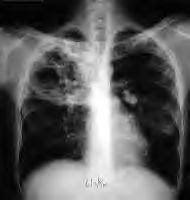
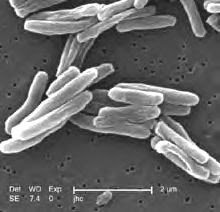
Treatment with isoniazid preventive therapy does not lead to the development of drug-resistant tuberculosis, South African investigators report in the April 24th edition of AIDS. Drug susceptibility was monitored in gold miners who developed active tuberculosis (TB). Results showed that patients who received isoniazid preventive therapy did not have an increased risk of developing TB which was resistant to the drug. Isoniazid preventive therapy has been shown to halve the risk of developing TB in people with HIV.
http://www.aidsmap.com/en/news/2507DD8E-9DF4-4101-ABF7-E8E701614A9A.asp
Saturday, 17 April 2010


India: Open Source Drug Discovery program
The Open Source Drug Discovery (OSDD) program, a CSIR-led Team India consortium is leading the way in bringing open source collaboration techniques to drug research and health care. Their mission is to hasten the development of drugs and treatments for tropical diseases which have not gotten adequate attention from the "closed door" pharmaceutical industry.
Ethiopia: Afar pastoralists knowledge of tbc
Afar pastoralists live in the northeast of Ethiopia, confined to the most arid part of the country, where there is least access to educational, health and other social services. Tuberculosis (TB) is one of the major public health problems in Afar region.Lack of knowledge about TB could affect the health-seeking behaviour of patients and sustain the transmission of the disease within the community. In this study, we assessed the knowledge and perception of apparently healthy individuals about pulmonary tuberculosis (PTB) in pastoral communities of Afar.Methods: Between March and May 2009, a community-based cross-sectional questionnaire survey involving 818 randomly selected healthy individuals was conducted in pastoral communities of Afar region.Moreover, two focus group discussions (FGDs), one with men and one with women, were conducted in each of the study area to supplement the quantitative study.Results: The majority (95.6%) of the interviewees reported that they have heard about PTB (known locally as "Labadore"). However, the participants associated the cause of PTB with exposure to cold air (45.9%), starvation (38%), dust (21.8%) or smoking/chewing Khat (Catha edulis) (16.4%
Indonesia: increase in tbc
DENPASAR: The number of tuberculosis (TB) cases in the island's capital has increased in the last year, crea a bad sign to the Denpasar's health authority.
In 2008, there were 408 TB cases reported in Denpasar. That number rose to 418 by the end of 2009.
The increase, according to Made Wirajaya, an official from the Indonesia Tuberculosis Eradication Association (PPTI), was probably caused by the high mobility of the city's residents as well as the low public awareness of the highly contagious but curable disease.
http://www.thejakartapost.com/news/2010/04/12/tuberculosis-cases-increase.html
In 2008, there were 408 TB cases reported in Denpasar. That number rose to 418 by the end of 2009.
The increase, according to Made Wirajaya, an official from the Indonesia Tuberculosis Eradication Association (PPTI), was probably caused by the high mobility of the city's residents as well as the low public awareness of the highly contagious but curable disease.
http://www.thejakartapost.com/news/2010/04/12/tuberculosis-cases-increase.html
Genome mapping of Mycobacterium
At a conference on Sunday, the Government's Open Source Drug Discovery (OSDD) initiative released the findings of its 'Connect 2 Decode' (C2D) project to re-annotate the biological and genetic data concerning the Mycobacterium tuberculosis (Mtb) genome.
This is the first time that a complete mapping of the Mtb genome has been accumulated, confirmed and made available publicly. C2D's results might include significant information to release previously unnoticed aspects of tuberculosis (TB); consequential in development opportunities for immediately required new TB drugs in India and other developing nations.
The World Health Organization (WHO) states that every year, 1.7 million people die from TB and that in some parts of the globe, one in four people with TB has a form of the disease, which can no longer be cured with ordinary drugs procedures. In spite of this public health emergency, TB research endowment, principally for new drugs, remains alarmingly insufficient.
Dr. Samir K. Brahmachari, Scientist and Director-General of the Council of Scientific and Industrial Research (CSIR), said, "We need to have a balanced view between health as a right and health as a business. It is because there has been imbalance in this view that diseases like TB, with high mortality but low profitability, are neglected by the current system of pharmaceutical research".
Loon Gangte of the Delhi Network of Positive People, a support group for people living with HIV/AIDS, said that the irony is that with the accessibility of medications for HIV and principally of safe and reasonable Indian standards, people are living with HIV but dying of TB.
http://topnews.us/content/216413-findings-c2d-project
This is the first time that a complete mapping of the Mtb genome has been accumulated, confirmed and made available publicly. C2D's results might include significant information to release previously unnoticed aspects of tuberculosis (TB); consequential in development opportunities for immediately required new TB drugs in India and other developing nations.
The World Health Organization (WHO) states that every year, 1.7 million people die from TB and that in some parts of the globe, one in four people with TB has a form of the disease, which can no longer be cured with ordinary drugs procedures. In spite of this public health emergency, TB research endowment, principally for new drugs, remains alarmingly insufficient.
Dr. Samir K. Brahmachari, Scientist and Director-General of the Council of Scientific and Industrial Research (CSIR), said, "We need to have a balanced view between health as a right and health as a business. It is because there has been imbalance in this view that diseases like TB, with high mortality but low profitability, are neglected by the current system of pharmaceutical research".
Loon Gangte of the Delhi Network of Positive People, a support group for people living with HIV/AIDS, said that the irony is that with the accessibility of medications for HIV and principally of safe and reasonable Indian standards, people are living with HIV but dying of TB.
http://topnews.us/content/216413-findings-c2d-project
Microscopy automated reading for mycobacterium
Guardian Technologies, a Virginia company that was started to help airport X-ray scanners distinguish explosives in luggage from innocuous plastics and liquids, has developed a system that automatically scans microscope slides for the bacillus.
The company’s software algorithms can spot distinctive shapes, colors and densities that untrained eyes may miss. In a recent test in South Africa, which has some of the highest TB rates in the world, the technology was 93 percent accurate in detecting the bacillus on microscope slides and had a false positive rate of less than 2 percent, the company said.
The original Guardian system fit a digital camera to a standard microscope. Now, it is making an automated version that can hold 50 slides and work all night while no one is in the lab.
http://www.nytimes.com/2010/04/13/health/13glob.html
The company’s software algorithms can spot distinctive shapes, colors and densities that untrained eyes may miss. In a recent test in South Africa, which has some of the highest TB rates in the world, the technology was 93 percent accurate in detecting the bacillus on microscope slides and had a false positive rate of less than 2 percent, the company said.
The original Guardian system fit a digital camera to a standard microscope. Now, it is making an automated version that can hold 50 slides and work all night while no one is in the lab.
http://www.nytimes.com/2010/04/13/health/13glob.html
Uganda: HIV testing in tbc patients
HIV testing among tuberculosis patients is critical in improving morbidity and mortality as those found to be HIV positive will be offered a continuum of care including ART if indicated. We conducted a cross-sectional study in three Kampala City primary care clinics: to assess the level of HIV test uptake among newly diagnosed pulmonary tuberculosis (PTB) patients; to assess patient and health worker factors associated with HIV test uptake; and to determine factors associated with HIV test uptake at the primary care clinics
Methods
Adult patients who had been diagnosed with smear-positive PTB at a primary care clinic or at the referral hospital and who were being treated at any of the three clinics were interviewed. Associations between having taken the test as the main outcome and explanatory variables were assessed by multivariate logistic regression.
Results
Between April and October 2007, 112 adults were included in the study. An HIV test had been offered to 74 (66%). Of the 112 patients, 61 (82%) had accepted the test; 45 (74%) had eventually been tested; and 32 (29%) had received their test results. Patients who were <25 yeas old, female or unemployed, or had reported no previous HIV testing, were more likely to have been tested. The strongest predictor of having been tested was if patients had been diagnosed at the referral hospital compared to the city clinic (adjusted OR 24.2; 95% CI 6.7-87.7; p<0.001). This primarily reflected an "opt-out" (uptake 94%) versus an "opt-in" (uptake 53%) testing policy.
Conclusions
The overall HIV test uptake was surprisingly low at 40%. The HIV test uptake was significantly higher among TB patients who were identified at hospital, among females and in the unemployed.
http://www.biomedcentral.com/1471-2458/10/177
Methods
Adult patients who had been diagnosed with smear-positive PTB at a primary care clinic or at the referral hospital and who were being treated at any of the three clinics were interviewed. Associations between having taken the test as the main outcome and explanatory variables were assessed by multivariate logistic regression.
Results
Between April and October 2007, 112 adults were included in the study. An HIV test had been offered to 74 (66%). Of the 112 patients, 61 (82%) had accepted the test; 45 (74%) had eventually been tested; and 32 (29%) had received their test results. Patients who were <25 yeas old, female or unemployed, or had reported no previous HIV testing, were more likely to have been tested. The strongest predictor of having been tested was if patients had been diagnosed at the referral hospital compared to the city clinic (adjusted OR 24.2; 95% CI 6.7-87.7; p<0.001). This primarily reflected an "opt-out" (uptake 94%) versus an "opt-in" (uptake 53%) testing policy.
Conclusions
The overall HIV test uptake was surprisingly low at 40%. The HIV test uptake was significantly higher among TB patients who were identified at hospital, among females and in the unemployed.
http://www.biomedcentral.com/1471-2458/10/177
Nigeria: 120,000 new cases per year
Dr Busayo Agbana on Friday disclosed that Nigeria records about 120,000 new cases of tuberculosis every year, being the highest in Africa.
Agbana also revealed that the country ranks fourth on the prevalence rate, with a 536 persons infected among 100,000.
Agbana, who works at the University of Ilorin Teaching Hospital, made these revelations at the World TB day 2010, organised by the Excellence Foundation International in Ilorin.
He noted that increase in the growth rate of the disease rose from 2.2 percent in the early 90s to over 19.1 percent currently
http://www.punchng.com/Articl.aspx?theartic=Art20100411161018
Agbana also revealed that the country ranks fourth on the prevalence rate, with a 536 persons infected among 100,000.
Agbana, who works at the University of Ilorin Teaching Hospital, made these revelations at the World TB day 2010, organised by the Excellence Foundation International in Ilorin.
He noted that increase in the growth rate of the disease rose from 2.2 percent in the early 90s to over 19.1 percent currently
http://www.punchng.com/Articl.aspx?theartic=Art20100411161018
Genome mapping
NEW DELHI: The government's Open Source Drug Discovery (OSDD) initiative released the results of its ‘Connect 2 Decode' (C2D) project to re-annotate the biological and genetic information relating to the Mycobacterium tuberculosis ( Mtb) genome, at a conference here on Sunday.
This is the first time that a comprehensive mapping of the Mtb genome has been compiled, verified and made publicly available. C2D's findings may contain critical data to unlock previously undiscovered details of tuberculosis (TB); resulting in development opportunities for urgently needed new TB drugs in India and other developing countries.
The World Health Organization (WHO) reports that 1.7 million people die annually from TB and that in some parts of the world, one in four people with TB has a form of the disease that can no longer be treated with standard drugs regimens. Despite this public health emergency, TB research funding, particularly for new drugs, remains alarmingly inadequate.
http://www.hindu.com/2010/04/12/stories/2010041257292000.htm
This is the first time that a comprehensive mapping of the Mtb genome has been compiled, verified and made publicly available. C2D's findings may contain critical data to unlock previously undiscovered details of tuberculosis (TB); resulting in development opportunities for urgently needed new TB drugs in India and other developing countries.
The World Health Organization (WHO) reports that 1.7 million people die annually from TB and that in some parts of the world, one in four people with TB has a form of the disease that can no longer be treated with standard drugs regimens. Despite this public health emergency, TB research funding, particularly for new drugs, remains alarmingly inadequate.
http://www.hindu.com/2010/04/12/stories/2010041257292000.htm
Wednesday, 14 April 2010
Canada, Sanatorium History, Kitchener
When Dr. Anne Crowe began working at Freeport in the early ‘80s, the Kitchener hospital was a home for people needing long-term care.
But the hospital was on the verge of evolving into something new.
Change is a constant at Freeport, from its beginning as a sanatorium for tuberculosis patients in the early 1900s to its current incarnation as a complex continuing care and rehabilitation centre.
http://news.therecord.com/News/Local/article/696360
But the hospital was on the verge of evolving into something new.
Change is a constant at Freeport, from its beginning as a sanatorium for tuberculosis patients in the early 1900s to its current incarnation as a complex continuing care and rehabilitation centre.
http://news.therecord.com/News/Local/article/696360
Canada, Sanatorium history
2010 is the 100th anniversary of the opening of the Queen Alexandra Tuberculosis Sanatorium in London. The name was later changed to the Beck Memorial Sanatorium. The sanatorium closed in 1972.
http://www.lfpress.com/comment/2010/04/09/13530836.html
http://www.lfpress.com/comment/2010/04/09/13530836.html
Canada -- high rate of Tbc in First Nations
Manitoba's former tuberculosis control director will testify in front of a federal health committee to push for action to eliminate a disease critics call a national embarrassment.
Longtime TB control director Dr. Earl Hershfield will appear alongside other TB experts and First Nations representatives at a health committee hearing in Ottawa on April 20. Recommendations stemming from the testimony will be debated in Parliament, raising hopes the Harper government will address the poverty, poor housing and lack of access to medical care that help TB spread.
Hershfield spent 37 years at the helm of Manitoba's TB control program and recently blasted provincial health officials for losing track of sick TB patients, saying the system is "falling apart."
Hershfield said he will likely raise his concerns about gaps in tracking and treating TB patients at the upcoming hearing and offer his opinion on what could be done to improve it.
"That's not the way to run tuberculosis control," Hershfield said. "You need a director to make the policy and people to carry it out in the field."
Manitoba recently recorded the highest TB rates of any province, making it a national hot spot of an infectious disease that experts say is a by-product of overcrowded homes, malnutrition and poor overall health. The airborne disease is rampant in many northern Manitoba communities where cramped living quarters help it spread.
Winnipeg MP and NDP health critic Judy Wasylycia-Leis brought TB to the federal health committee's attention after a Free Press series revealed some Manitoba communities recorded some of the highest TB rates in the world.
Some northern First Nations communities have recorded more than 600 cases of TB per 100,000 people. By comparison, Canada's national rate is five cases per 100,000 and the rate in Bangladesh is slightly below 400 cases per 100,000.
Wasylycia-Leis said she's hopeful the federal government will be forced to act on the recommendations from the hearings.
She said eliminating TB should be a priority, and that Canada needs a better national strategy to eradicate it.
http://www.winnipegfreepress.com/local/experts-seek-to-push-ottawa-into-action-90460139.html
Longtime TB control director Dr. Earl Hershfield will appear alongside other TB experts and First Nations representatives at a health committee hearing in Ottawa on April 20. Recommendations stemming from the testimony will be debated in Parliament, raising hopes the Harper government will address the poverty, poor housing and lack of access to medical care that help TB spread.
Hershfield spent 37 years at the helm of Manitoba's TB control program and recently blasted provincial health officials for losing track of sick TB patients, saying the system is "falling apart."
Hershfield said he will likely raise his concerns about gaps in tracking and treating TB patients at the upcoming hearing and offer his opinion on what could be done to improve it.
"That's not the way to run tuberculosis control," Hershfield said. "You need a director to make the policy and people to carry it out in the field."
Manitoba recently recorded the highest TB rates of any province, making it a national hot spot of an infectious disease that experts say is a by-product of overcrowded homes, malnutrition and poor overall health. The airborne disease is rampant in many northern Manitoba communities where cramped living quarters help it spread.
Winnipeg MP and NDP health critic Judy Wasylycia-Leis brought TB to the federal health committee's attention after a Free Press series revealed some Manitoba communities recorded some of the highest TB rates in the world.
Some northern First Nations communities have recorded more than 600 cases of TB per 100,000 people. By comparison, Canada's national rate is five cases per 100,000 and the rate in Bangladesh is slightly below 400 cases per 100,000.
Wasylycia-Leis said she's hopeful the federal government will be forced to act on the recommendations from the hearings.
She said eliminating TB should be a priority, and that Canada needs a better national strategy to eradicate it.
http://www.winnipegfreepress.com/local/experts-seek-to-push-ottawa-into-action-90460139.html
India, Tbc & Malnutrition
Pointing to the malnutrition figures provided by the National Nutrition Monitoring Bureau, which says 33 per cent of the population, including 50 per cent of scheduled tribes and 60 per cent of scheduled castes, suffer from chronic under-nutrition, Dr. Sen wondered what prevented the administration from addressing this situation in regions not affected by Maoist presence.
Referring to a long-term study undertaken by a small non-governmental organisation, Jan Swarth Sahyog, which functions from the Ganiyari village in Chhattisgarh's Bilaspur district, he said the people in the region suffer from chronic malnutrition and malnutrition-related diseases like malaria and pulmonary tuberculosis during the period of August to November each year.
“There is no Maoist in this area. So the government argument that Maoist violence is responsible for the terrible level of under-development, poverty and inequity does not hold here…if body mass index is monitored on a monthly basis, there is a dip of BMI when rice harvest from the previous year runs out…The starvation leads to low immunity of the body and so malaria sets in. Also 95 per cent of the pulmonary tuberculosis cases have been found with BMI less than 18.5,” Dr. Sen said.
http://beta.thehindu.com/news/national/article394024.ece
Referring to a long-term study undertaken by a small non-governmental organisation, Jan Swarth Sahyog, which functions from the Ganiyari village in Chhattisgarh's Bilaspur district, he said the people in the region suffer from chronic malnutrition and malnutrition-related diseases like malaria and pulmonary tuberculosis during the period of August to November each year.
“There is no Maoist in this area. So the government argument that Maoist violence is responsible for the terrible level of under-development, poverty and inequity does not hold here…if body mass index is monitored on a monthly basis, there is a dip of BMI when rice harvest from the previous year runs out…The starvation leads to low immunity of the body and so malaria sets in. Also 95 per cent of the pulmonary tuberculosis cases have been found with BMI less than 18.5,” Dr. Sen said.
http://beta.thehindu.com/news/national/article394024.ece
Saturday, 10 April 2010
PA-824
Tuberculosis is a disease that infects approximately one-third of the world's population. Many individuals have latent tuberculosis, in which they are infected with Mycobacterium tuberculosis, but the bacterium is dormant in the lungs, causing no signs of infection. Latent infection is difficult to treat because the bacteria are not dividing while they exist in this dormant state. Antimicrobial drugs work to kill bacteria when they are actively growing and multiplying; latent tuberculosis cannot, therefore, be treated effectively until the bacteria begin to multiply. A new drug, PA-824, produces nitric oxide (NO) gas when it is metabolized inside the bacterial cell. This gas can kill the bacterium from within, “exploding” it and causing bacterial death even when the bacterium is not multiplying, which may in turn lead to new and effective treatments for latent tuberculosis.
http://www.accessscience.com/abstract.aspx?id=YB100011&referURL=http%3a%2f%2fwww.accessscience.com%2fcontent.aspx%3fid%3dYB100011
http://www.accessscience.com/abstract.aspx?id=YB100011&referURL=http%3a%2f%2fwww.accessscience.com%2fcontent.aspx%3fid%3dYB100011
USA statistics
According to the U.S. Centers for Disease Control and Prevention (CDC), 12,904 cases of tuberculosis were reported in the U.S. in 2008--the lowest number on record. However, tuberculosis (TB) remains a major public health threat globally. TB infections can be latent or active. With latent TB, the bacteria are inactive and cause no symptoms; latent TB is not contagious. With active TB, the causative bacteria--Mycobacterium tuberculosis--are actively multiplying causing a symptomatic and contagious illness.
http://www.livestrong.com/article/99117-active-tuberculosis-symptoms/
http://www.livestrong.com/article/99117-active-tuberculosis-symptoms/
Diagnosic delay: effect on cost of treatment
Delays seeking care worsen the burden of tuberculosis and cost of care for patients, families and the public health system. This study investigates costs of tuberculosis diagnosis incurred by patients, escorts and the public health system in 10 districts of Ethiopia.
Conclusions
The costs of tuberculosis diagnosis incurred by patients and escorts represent a significant portion of their monthly income. The costs arising from time lost in seeking care comprised a major portion of the total cost of diagnosis, and may worsen the economic position of patients and their families. Getting treatment from alternative sources and low index of suspicion public health providers were key problems contributing to increased cost of tuberculosis diagnosis. Thus, the institution of effective systems of referral, ensuring screening of suspects across the district public health system and the involvement of alternative care providers in district tuberculosis control can reduce delays and the financial burden to patients and escorts. open source database, has given us permission to reproduce articles, of particulat interest is the BMC International Journal of Human Rights
http://www.reliefweb.int/rw/rwb.nsf/db900sid/MYAI-8436VH?OpenDocument
Conclusions
The costs of tuberculosis diagnosis incurred by patients and escorts represent a significant portion of their monthly income. The costs arising from time lost in seeking care comprised a major portion of the total cost of diagnosis, and may worsen the economic position of patients and their families. Getting treatment from alternative sources and low index of suspicion public health providers were key problems contributing to increased cost of tuberculosis diagnosis. Thus, the institution of effective systems of referral, ensuring screening of suspects across the district public health system and the involvement of alternative care providers in district tuberculosis control can reduce delays and the financial burden to patients and escorts. open source database, has given us permission to reproduce articles, of particulat interest is the BMC International Journal of Human Rights
http://www.reliefweb.int/rw/rwb.nsf/db900sid/MYAI-8436VH?OpenDocument
Chemokines
CCL5 participates in early protection against Mycobacterium tuberculosis.
J Leukoc Biol. 2010 Apr 6;
Authors: Vesosky B, Rottinghaus EK, Stromberg P, Turner J, Beamer G
Control of M.tb, the causative agent of TB, requires immune cell recruitment to form lung granulomas. The chemokines and chemokine receptors that promote cell migration for granuloma formation, however, are not defined completely. As immunity to M.tb manifests slowly in the lungs, a better understanding of specific roles for chemokines, in particular those that promote M.tb-protective TH1 responses, may identify targets that could accelerate granuloma formation. The chemokine CCL5 has been detected in patients with TB and implicated in control of M.tb infection. To define a role for CCL5 in vivo during M.tb infection, CCL5 KO mice were infected with a low dose of aerosolized M.tb. During early M.tb infection, CCL5 KO mice localized fewer APCs and chemokine receptor-positive T cells to the lungs and had microscopic evidence of altered cell trafficking to M.tb granulomas. Early acquired immunity and granuloma function were transiently impaired when CCL5 was absent, evident by delayed IFN-gamma responses and poor control of M.tb growth. Lung cells from M.tb-infected CCL5 KO mice eventually reached or exceeded the levels of WT mice, likely as a result of partial compensation by the CCL5-related ligand, CCL4, and not because of CCL3. Finally, our results suggest that most T cells use CCR5 but not CCR1 to interact with these ligands. Overall, these results contribute to a model of M.tb granuloma formation dependent on temporal regulation of chemokines rather than on redundant or promiscuous interactions.
http://medicine.journalfeeds.com/hematology/j-leukoc-biol/ccl5-participates-in-early-protection-against-mycobacterium-tuberculosis/20100408/
J Leukoc Biol. 2010 Apr 6;
Authors: Vesosky B, Rottinghaus EK, Stromberg P, Turner J, Beamer G
Control of M.tb, the causative agent of TB, requires immune cell recruitment to form lung granulomas. The chemokines and chemokine receptors that promote cell migration for granuloma formation, however, are not defined completely. As immunity to M.tb manifests slowly in the lungs, a better understanding of specific roles for chemokines, in particular those that promote M.tb-protective TH1 responses, may identify targets that could accelerate granuloma formation. The chemokine CCL5 has been detected in patients with TB and implicated in control of M.tb infection. To define a role for CCL5 in vivo during M.tb infection, CCL5 KO mice were infected with a low dose of aerosolized M.tb. During early M.tb infection, CCL5 KO mice localized fewer APCs and chemokine receptor-positive T cells to the lungs and had microscopic evidence of altered cell trafficking to M.tb granulomas. Early acquired immunity and granuloma function were transiently impaired when CCL5 was absent, evident by delayed IFN-gamma responses and poor control of M.tb growth. Lung cells from M.tb-infected CCL5 KO mice eventually reached or exceeded the levels of WT mice, likely as a result of partial compensation by the CCL5-related ligand, CCL4, and not because of CCL3. Finally, our results suggest that most T cells use CCR5 but not CCR1 to interact with these ligands. Overall, these results contribute to a model of M.tb granuloma formation dependent on temporal regulation of chemokines rather than on redundant or promiscuous interactions.
http://medicine.journalfeeds.com/hematology/j-leukoc-biol/ccl5-participates-in-early-protection-against-mycobacterium-tuberculosis/20100408/
South Africa statistics
Minister of Health Dr Leslie Ramsammy said the country has experienced a gradual decline in the incidence of tuberculosis, but he believes progress has been slow and that not enough is being done to educate people.
Tuberculosis (TB) is considered a serious public health challenge and last year some 629 persons joined the local treatment programme. The incidence rate is currently 83 per 100,000 and statistics show that about 60 persons died each year from TB, but many were also HIV positive.
Ramsammy, in a message to mark World TB Day on Sunday, underscored the challenges of co-infection in the health sector saying they are working to lower the rate of TB patients living with HIV to around 12 percent because as of 2009, some 23 percent of TB patients were listed as HIV positive. “Because these two diseases combined to be a serious killer, we need to ensure we protect persons living with HIV from TB and also protect persons infected with TB from HIV”, Ramsammy said.
http://www.stabroeknews.com/2010/stories/04/08/gradual-decline-in-tb-cases-ramsammy/
Tuberculosis (TB) is considered a serious public health challenge and last year some 629 persons joined the local treatment programme. The incidence rate is currently 83 per 100,000 and statistics show that about 60 persons died each year from TB, but many were also HIV positive.
Ramsammy, in a message to mark World TB Day on Sunday, underscored the challenges of co-infection in the health sector saying they are working to lower the rate of TB patients living with HIV to around 12 percent because as of 2009, some 23 percent of TB patients were listed as HIV positive. “Because these two diseases combined to be a serious killer, we need to ensure we protect persons living with HIV from TB and also protect persons infected with TB from HIV”, Ramsammy said.
http://www.stabroeknews.com/2010/stories/04/08/gradual-decline-in-tb-cases-ramsammy/
Africa: Expenditure on Health Care Statistics
DAKAR, 8 April 2010 (IRIN) - In Africa government spending on health care, as a percentage of national expenses, rose just 0.3 percent from 2001 to 2007, while donor funding of the sector during the same period increased from 15.3 to 20.1 percent, according to a review of 52 African countries’ health spending by The Global Fund to Fight AIDS, Tuberculosis and Malaria. In the 1990s donors spent US$7.5 billion on health care worldwide, $21.8 billion in 2007. Below are some highlights from the report:
Donors covered 43 percent of health care expenses in Ethiopia in 2006, up four times from 2002. Over the same period donor backing for health care in Benin dropped 10 percent to 13.4 percent
Donors spent $43.74 per person in development assistance to health (DAH) in Namibia in 2007 versus 65 US cents in Mauritius
DAH increased the most in East Africa from 2002 to 2006 (19.6 to 28.4 percent), versus 22 percent in West and Central Africa, 20.3 percent in Southern Africa and 11.5 percent in North Africa
In 2007 half of African countries set aside at least 5 percent of their national income for health care
In 2007 seven African countries spent less than 5 percent of total budgets on health care, compared to eight in 2001
Patients in Africa’s lowest income countries paid out-of-pocket for more than half their health care, with governments pitching in 46 percent
By 2007 four countries had met or all but met the Abuja Declaration goal of spending 15 percent of annual budgets on health: Burkina Faso (14.8 percent), Botswana (17.3 percent), Djibouti (15.1 percent) and Rwanda (18.8 percent). Liberia and Malawi had exceeded the target in 2006 at 16.4 and 18 percent, respectively, but then dropped to 6.4 and 12.1 percent in 2007
Botswana and Rwanda had the biggest jumps in health care spending as a percentage of overall expenses from 1999 to 2007 – 8.9 and 9.7 percent, respectively, while Ghana and Benin had the largest drops – 6.1 and 3.6 percent
Nigeria spent 3.5 percent of its 2007 budget on health care, a nearly 2-percent drop since 1999. The oil sector has accounted for more than 80 percent of government revenue, according to Extractive Industries Transparency Initiative
http://www.irinnews.org/Report.aspx?ReportId=88735
Donors covered 43 percent of health care expenses in Ethiopia in 2006, up four times from 2002. Over the same period donor backing for health care in Benin dropped 10 percent to 13.4 percent
Donors spent $43.74 per person in development assistance to health (DAH) in Namibia in 2007 versus 65 US cents in Mauritius
DAH increased the most in East Africa from 2002 to 2006 (19.6 to 28.4 percent), versus 22 percent in West and Central Africa, 20.3 percent in Southern Africa and 11.5 percent in North Africa
In 2007 half of African countries set aside at least 5 percent of their national income for health care
In 2007 seven African countries spent less than 5 percent of total budgets on health care, compared to eight in 2001
Patients in Africa’s lowest income countries paid out-of-pocket for more than half their health care, with governments pitching in 46 percent
By 2007 four countries had met or all but met the Abuja Declaration goal of spending 15 percent of annual budgets on health: Burkina Faso (14.8 percent), Botswana (17.3 percent), Djibouti (15.1 percent) and Rwanda (18.8 percent). Liberia and Malawi had exceeded the target in 2006 at 16.4 and 18 percent, respectively, but then dropped to 6.4 and 12.1 percent in 2007
Botswana and Rwanda had the biggest jumps in health care spending as a percentage of overall expenses from 1999 to 2007 – 8.9 and 9.7 percent, respectively, while Ghana and Benin had the largest drops – 6.1 and 3.6 percent
Nigeria spent 3.5 percent of its 2007 budget on health care, a nearly 2-percent drop since 1999. The oil sector has accounted for more than 80 percent of government revenue, according to Extractive Industries Transparency Initiative
http://www.irinnews.org/Report.aspx?ReportId=88735
Diagnosis of Tbc
Tuberculosis (TB) remains a public health threat in the United States, with as many as 14 million Americans infected with the bacteria. At any given time, members from this large pool of infected people can develop full-blown, highly contagious forms of the disease.
According to the World Health Organization, about one person dies of TB every 17 seconds, causing nearly 2 million deaths annually. The disease continues to be a contagious scourge in developing countries, and with the world shrinking rapidly due to global migration, it is a major public health threat in developed nations as well, including the United States. Each infected person represents a potential yet preventable future outbreak, WHO says. Testing for TB infection is necessary in order to quickly identify the appropriate persons for treatment and thereby prevent its spread.
New data from a meta-analysis of existing literature published this week in CHEST, the official journal of the American College of Chest Physicians, provide evidence supporting a new, scientifically-proven standard for detecting TB infection. The study demonstrates that Interferon Gamma Release Assays (IGRAs) are superior to the previous standard in diagnostics, the 100+-year-old tuberculin skin test (TST), for detecting confirmed active TB disease. This was especially true when the IGRAs -- both QuantiFERON®-TB Gold (QFT) and T-SPOT®-TB (T-Spot) -- were administered in developed countries.
http://ohsonline.com/articles/2010/04/08/more-accurate-way-to-diagnose-tb.aspx?admgarea=news
According to the World Health Organization, about one person dies of TB every 17 seconds, causing nearly 2 million deaths annually. The disease continues to be a contagious scourge in developing countries, and with the world shrinking rapidly due to global migration, it is a major public health threat in developed nations as well, including the United States. Each infected person represents a potential yet preventable future outbreak, WHO says. Testing for TB infection is necessary in order to quickly identify the appropriate persons for treatment and thereby prevent its spread.
New data from a meta-analysis of existing literature published this week in CHEST, the official journal of the American College of Chest Physicians, provide evidence supporting a new, scientifically-proven standard for detecting TB infection. The study demonstrates that Interferon Gamma Release Assays (IGRAs) are superior to the previous standard in diagnostics, the 100+-year-old tuberculin skin test (TST), for detecting confirmed active TB disease. This was especially true when the IGRAs -- both QuantiFERON®-TB Gold (QFT) and T-SPOT®-TB (T-Spot) -- were administered in developed countries.
http://ohsonline.com/articles/2010/04/08/more-accurate-way-to-diagnose-tb.aspx?admgarea=news
Subscribe to:
Posts (Atom)