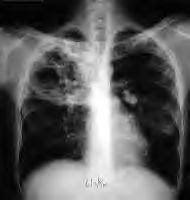
A MAN has died from tuberculosis while being held in Cardiff Prison, the Western Mail has learned.
Tests will now be carried out on those inmates and staff who were in close contact with the unnamed man, who died on April 2.
The Western Mail understands the man was in his 30s and was an illegal immigrant from Cameroon.
http://www.walesonline.co.uk/news/health-news/2010/04/16/cardiff-prison-inmates-and-staff-to-be-tested-after-tb-death-91466-26254053/
Saturday, 17 April 2010


Tuberculosis: the return of the white plague? Statistics
The last few weeks have seen an explosion of reports concerning the status of the worldwide fight against tuberculosis, largely precipitated by World TB Day last month on March 24. Tuberculosis was once considered a disease of the past, an illness, like diphtheria, thought to have faded away with the Victorian era as a serious cause for concern. Indeed, for many people today any mention of TB might still be more likely to evoke thoughts about the death of Helen Burns due to “consumption” in Jane Eyre, than to incite any sense of panic. And while many people from more developed countries might not have ever known anyone personally to have been infected with TB (I know I haven’t), the reality is that TB has resurged as one of the most pervasive and deadly diseases in the world. What was once historically referred to as the “white plague” is today thought to cause one death every 15 seconds. It is estimated that approximately one third of the world’s population is currently infected with TB, with higher incidence rates found primarily in African and Asian countries, and 1 in 10 of these latent infections resulting in death. The rate at which TB spreads is equally alarming: the most recent data estimates that a new person is infected with TB every second of every day.
http://www.practicalethicsnews.com/practicalethics/2010/04/the-last-few-weeks-have-seen-an-explosion-of-reports--concerning-the-status-of-the-worldwide-fight-against-tuberculosis-larg.html
http://www.practicalethicsnews.com/practicalethics/2010/04/the-last-few-weeks-have-seen-an-explosion-of-reports--concerning-the-status-of-the-worldwide-fight-against-tuberculosis-larg.html
North Korea: US assistance in tbc diagnosis
Stanford researcher Sharon Perry PhD, an infectious disease specialist, has been working in North Korea with a team of American health specialists to develop the country’s first diagnostic laboratory to test drug-resistant tuberculosis. The Democratic People’s Republic of Korea, as the hermit country is formally known, witnessed a resurgence of TB in the 1990s after famines plagued the country.
The TB Diagnostics Project is being led by the Bay Area TB Consortium, which Perry directs, and the Nuclear Threat Initiative, a Washington nonprofit group working to strengthen global security. The program came about after a team of North Korean health officials visited California and met with Stanford and Bay Area tuberculosis experts in 2008.
It’s unusual for any outsiders to visit North Korea, but extremely rare for Americans. Safe to say that it's an unprecedented partnership between U.S. researchers and health officials in North Korea. So far, Perry has ventured there three times and is soon to return for a fourth visit.
http://scopeblog.stanford.edu/archives/2010/04/perry-podcast.html
The TB Diagnostics Project is being led by the Bay Area TB Consortium, which Perry directs, and the Nuclear Threat Initiative, a Washington nonprofit group working to strengthen global security. The program came about after a team of North Korean health officials visited California and met with Stanford and Bay Area tuberculosis experts in 2008.
It’s unusual for any outsiders to visit North Korea, but extremely rare for Americans. Safe to say that it's an unprecedented partnership between U.S. researchers and health officials in North Korea. So far, Perry has ventured there three times and is soon to return for a fourth visit.
http://scopeblog.stanford.edu/archives/2010/04/perry-podcast.html
Aerosol delivery of medication
The researchers from the University of North Carolina School of Pharmacy, Chapel Hill, North Carolina; and Harvard School of Engineering and Applied Sciences, Cambridge, Massachusetts, report their findings in the April 2010 issue of the journal Antimicrobial Agents and Chemotherapy.
Epidemic rates of HIV/TB coinfection as well as emerging multidrug-resistant (MDR) and extensively drug-resistant (XDR) TB strains are contributing to increased TB-associated deaths worldwide. PA-284, a compound capable of being formulated into a dry powder, has not only shown promising activity against MDR and XDR but has also proven safe and effective in patients coinfected with HIV and TB. Previous studies showed that PA-284 was well-tolerated in tablet form, however, side effects such as headache and stomach discomfort were reported. Aerosol delivery of PA-284 directly to the primary site of infection would limit systemic exposure and ultimately eliminate potentially bothersome side effects.
In the study guinea pigs were used to evaluate the effects of PA-284 aerosols on TB infection. One month following infection with TB some guinea pigs received high daily aerosol treatments while others received low daily treatments for 4 weeks. Lung and spleen analysis of guinea pigs receiving the high dose of aerosol PA-284 showed less inflammation, bacterial burden and tissue damage.
"The present studies indicate the potential use of PA-824 dry powder aerosols in the treatment of TB," say the researchers.
http://www.sciencedaily.com/releases/2010/04/100415134412.htm
Epidemic rates of HIV/TB coinfection as well as emerging multidrug-resistant (MDR) and extensively drug-resistant (XDR) TB strains are contributing to increased TB-associated deaths worldwide. PA-284, a compound capable of being formulated into a dry powder, has not only shown promising activity against MDR and XDR but has also proven safe and effective in patients coinfected with HIV and TB. Previous studies showed that PA-284 was well-tolerated in tablet form, however, side effects such as headache and stomach discomfort were reported. Aerosol delivery of PA-284 directly to the primary site of infection would limit systemic exposure and ultimately eliminate potentially bothersome side effects.
In the study guinea pigs were used to evaluate the effects of PA-284 aerosols on TB infection. One month following infection with TB some guinea pigs received high daily aerosol treatments while others received low daily treatments for 4 weeks. Lung and spleen analysis of guinea pigs receiving the high dose of aerosol PA-284 showed less inflammation, bacterial burden and tissue damage.
"The present studies indicate the potential use of PA-824 dry powder aerosols in the treatment of TB," say the researchers.
http://www.sciencedaily.com/releases/2010/04/100415134412.htm
Australia: statistics & compulsory isolation
A COURT has ordered that a homeless man with tuberculosis be kept in hospital against his will to protect the public from an outbreak of the disease.
The man, referred to in court documents as TC, has been subjected to a public health order that he be detained ''subject to such security as may be considered necessary in hospital''.
Most patients with tuberculosis are hospitalised when infectious and then closely monitored during treatment while they live within the community.
The NSW Health Department applied to the Administrative Decisions Tribunal to extend a previous public health order made in January to detain the man at Royal Prince Alfred Hospital for treatment after the ''very difficult and unco-operative patient'' had resisted numerous treatment attempts.
The Chief Health Officer of NSW, Dr Kerry Chant, certified that the man's behaviour, while suffering from the disease, was a danger to public health.
There are about 1000 new cases of tuberculosis in Australia each year.
http://www.smh.com.au/nsw/homeless-tuberculosis-sufferer-to-be-held-in-hospital-20100415-shsa.html
The man, referred to in court documents as TC, has been subjected to a public health order that he be detained ''subject to such security as may be considered necessary in hospital''.
Most patients with tuberculosis are hospitalised when infectious and then closely monitored during treatment while they live within the community.
The NSW Health Department applied to the Administrative Decisions Tribunal to extend a previous public health order made in January to detain the man at Royal Prince Alfred Hospital for treatment after the ''very difficult and unco-operative patient'' had resisted numerous treatment attempts.
The Chief Health Officer of NSW, Dr Kerry Chant, certified that the man's behaviour, while suffering from the disease, was a danger to public health.
There are about 1000 new cases of tuberculosis in Australia each year.
http://www.smh.com.au/nsw/homeless-tuberculosis-sufferer-to-be-held-in-hospital-20100415-shsa.html
Bovine tbc regulation change
The U.S. Department of Agriculture on Thursday issued a federal order that will allow beef producers in modified bovine tuberculosis zones to transport their breeding animals across state lines without undergoing costly TB testing.
The news is positive for beef cattle producers in Minnesota especially, which has been under split-state status since Oct. 10, 2008. Minnesota had been a TB-free state up until 2005, when tuberculosis was discovered in a beef cattle herd in northwest Minnesota. Since then, 12 herds in Beltrami and Roseau counties have had confirmed cases of the disease.
“The important part is that we haven’t found an infected herd for over a year now,” said Bill Hartmann, executive director of Minnesota’s Board of Animal Health (BAH) and state veterinarian. “We continue to test 300 herds every year in that modified accredited area of the state, and we haven’t found any infection in over a year.”
http://www.dglobe.com/event/article/id/35170/group/News/
The news is positive for beef cattle producers in Minnesota especially, which has been under split-state status since Oct. 10, 2008. Minnesota had been a TB-free state up until 2005, when tuberculosis was discovered in a beef cattle herd in northwest Minnesota. Since then, 12 herds in Beltrami and Roseau counties have had confirmed cases of the disease.
“The important part is that we haven’t found an infected herd for over a year now,” said Bill Hartmann, executive director of Minnesota’s Board of Animal Health (BAH) and state veterinarian. “We continue to test 300 herds every year in that modified accredited area of the state, and we haven’t found any infection in over a year.”
http://www.dglobe.com/event/article/id/35170/group/News/
Texas: DOTS, quarantine?
In Dallas County, there's a disease so dreaded that people diagnosed with it must agree to take medication for six months and allow a government worker to watch them swallow the pills every day.
The number of TB cases in the county fell below 200 for the first time last year. It is so serious that the medication is hand-delivered wherever an infected person can be found, even if it's in a cardboard box under a downtown bridge.
"We can meet them at a McDonald's or a 7-Eleven or a gas station," said Tesfa Kidane of Dallas County Health and Human Services.
He oversees the 10 outreach workers who religiously keep track of and treat Dallas County's nearly 200 tuberculosis patients – an approach so successful that TB cases dropped 11 percent in 2009 from the previous year.
Why such a hard-nosed approach for a disease that has nearly been stamped out in the U.S. and is highly treatable?
"This disease, if left untreated and unchecked, could decimate a community," said Dr. Garry Woo, medical director of tuberculosis control for Dallas County.
And if patients refuse to take their meds or miss too many of these rendezvous, county health officials will have them quarantined.
http://www.dallasnews.com/sharedcontent/dws/news/localnews/stories/DN-tuberculosis_15met.ART0.State.Edition2.4cd92e0.html
The number of TB cases in the county fell below 200 for the first time last year. It is so serious that the medication is hand-delivered wherever an infected person can be found, even if it's in a cardboard box under a downtown bridge.
"We can meet them at a McDonald's or a 7-Eleven or a gas station," said Tesfa Kidane of Dallas County Health and Human Services.
He oversees the 10 outreach workers who religiously keep track of and treat Dallas County's nearly 200 tuberculosis patients – an approach so successful that TB cases dropped 11 percent in 2009 from the previous year.
Why such a hard-nosed approach for a disease that has nearly been stamped out in the U.S. and is highly treatable?
"This disease, if left untreated and unchecked, could decimate a community," said Dr. Garry Woo, medical director of tuberculosis control for Dallas County.
And if patients refuse to take their meds or miss too many of these rendezvous, county health officials will have them quarantined.
http://www.dallasnews.com/sharedcontent/dws/news/localnews/stories/DN-tuberculosis_15met.ART0.State.Edition2.4cd92e0.html
Florida: tbc case
DELAND -- A health investigation is under way after news that a student at Atlantic High School has been diagnosed with tuberculosis.
http://www.cfnews13.com/Health/YourHealth/2010/4/9/high_school_student_diagnosed_with_tuberculosis.html?cid=rss
http://www.cfnews13.com/Health/YourHealth/2010/4/9/high_school_student_diagnosed_with_tuberculosis.html?cid=rss
Abdominal tbc
BACKGROUND:: Abdominal tuberculosis (TB) includes infection of the gastrointestinal tract, peritoneum, mesentery, abdominal lymph nodes, liver, spleen, and pancreas. The most common forms of abdominal TB in children are adhesive peritonitis and nodal disease. PATIENTS AND METHODS:: We report our experience with abdominal TB treated in our hospital from 1995 to 2008. RESULTS:: Thirteen patients (3 boys and 10 girls) of mean age 9.8 years were diagnosed as having abdominal TB. Eight patients presented with abdominal distension and abdominal pain. Fever was seen in 4 patients. One patient had surgical abdominal pain and 2 had abdominal mass. Two patients had coexisting pleural effusion and 1 of them had multifocal TB. Abdominal TB involved peritoneum in 9, abdominal lymph nodes in 7, gastrointestinal tract in 3, spleen in 2 patients, and liver in 1. Ascitic fluid analysis of 9 patients showed exudative fluid with predominately lymphocytes. Laparotomy was performed in 3 patients. The diagnosis of abdominal TB was confirmed histopathologically in 5 patients and microbiologically in 3. The remaining patients had been diagnosed by ascitic fluid diagnostic features, abdominal imaging, tuberculin skin test, history of exposure, and a positive response to antituberculous treatment. Twelve patients completed the antituberculous therapy without any complications. One patient with multifocal TB had neurological sequelae. CONCLUSIONS:: In the areas with a high prevalence of tuberculosis and confirmatory investigations are inadequately available, treatment may be initiated, based on strong clinical diagnosis and supportive investigations. In such situations, it is the response to therapy that indirectly proves the diagnosis.
http://medicine.journalfeeds.com/gastroenterology-hepatology/j-pediatr-gastroenterol-nutr/abdominal-tuberculosis-in-children/20100414/
http://medicine.journalfeeds.com/gastroenterology-hepatology/j-pediatr-gastroenterol-nutr/abdominal-tuberculosis-in-children/20100414/
Azerbaijan: drug resistant tbc in released prisoners
The work on the continuation of treatment of released prisoners with drug-resistant form of tuberculosis has been launched in Azerbaijan, the Ministry of Justice Chief Medical Office head Rafael Mehdiyev said in an interview with Trend.
"Treatment is held under control for released prisoners with drug-resistant form of tuberculosis to be fully treated. We want to expand the scope of activities in this regard, " the department head said.
Mehdiyev said that the activity to continue treatment after release of prisoners with a resistant form of tuberculosis is based on the agreement reached by the Chief Medical Office, Institute for Lung Diseases and the International Committee of the Red Cross (ICRC).
"The prisoners is a special category of people with mentality, requiring an individual approach. In some cases, detainees released under various pretexts, begin to shy away from treatment. It was agreed to achieve full recovery of these individuals to avoid such facts. Therefore, the corresponding work is being held", the department head said.
http://en.trend.az/news/society/rights/1668794.html
"Treatment is held under control for released prisoners with drug-resistant form of tuberculosis to be fully treated. We want to expand the scope of activities in this regard, " the department head said.
Mehdiyev said that the activity to continue treatment after release of prisoners with a resistant form of tuberculosis is based on the agreement reached by the Chief Medical Office, Institute for Lung Diseases and the International Committee of the Red Cross (ICRC).
"The prisoners is a special category of people with mentality, requiring an individual approach. In some cases, detainees released under various pretexts, begin to shy away from treatment. It was agreed to achieve full recovery of these individuals to avoid such facts. Therefore, the corresponding work is being held", the department head said.
http://en.trend.az/news/society/rights/1668794.html
Michigan: Deer & Cattle tbc
CHEBOYGAN COUNTY -- Wildlife officials are on high alert in Cheboygan County after a deer tests positive for tuberculosis.
The 3 1/2 year old doe was located in the southeastern corner of the county.
The Michigan Department of Natural Resources and Environment will test at least 300 deer within a 10 mile radius by the end of the year.
This "circle" testing will be in effect for at least 5 years after the last TB positive deer is found on surveillance.
Last month a cattle herd tested positive for tuberculosis in Emmet County. As a result, all cattle herds within a ten mile radius has to be tested in the next six months.
http://www.uppermichiganssource.com/news/story.aspx?id=443819
The 3 1/2 year old doe was located in the southeastern corner of the county.
The Michigan Department of Natural Resources and Environment will test at least 300 deer within a 10 mile radius by the end of the year.
This "circle" testing will be in effect for at least 5 years after the last TB positive deer is found on surveillance.
Last month a cattle herd tested positive for tuberculosis in Emmet County. As a result, all cattle herds within a ten mile radius has to be tested in the next six months.
http://www.uppermichiganssource.com/news/story.aspx?id=443819
INH preventive therapy in HIV
Treatment with isoniazid preventive therapy does not lead to the development of drug-resistant tuberculosis, South African investigators report in the April 24th edition of AIDS. Drug susceptibility was monitored in gold miners who developed active tuberculosis (TB). Results showed that patients who received isoniazid preventive therapy did not have an increased risk of developing TB which was resistant to the drug. Isoniazid preventive therapy has been shown to halve the risk of developing TB in people with HIV.
http://www.aidsmap.com/en/news/2507DD8E-9DF4-4101-ABF7-E8E701614A9A.asp
http://www.aidsmap.com/en/news/2507DD8E-9DF4-4101-ABF7-E8E701614A9A.asp
India: Open Source Drug Discovery program
The Open Source Drug Discovery (OSDD) program, a CSIR-led Team India consortium is leading the way in bringing open source collaboration techniques to drug research and health care. Their mission is to hasten the development of drugs and treatments for tropical diseases which have not gotten adequate attention from the "closed door" pharmaceutical industry.
Ethiopia: Afar pastoralists knowledge of tbc
Afar pastoralists live in the northeast of Ethiopia, confined to the most arid part of the country, where there is least access to educational, health and other social services. Tuberculosis (TB) is one of the major public health problems in Afar region.Lack of knowledge about TB could affect the health-seeking behaviour of patients and sustain the transmission of the disease within the community. In this study, we assessed the knowledge and perception of apparently healthy individuals about pulmonary tuberculosis (PTB) in pastoral communities of Afar.Methods: Between March and May 2009, a community-based cross-sectional questionnaire survey involving 818 randomly selected healthy individuals was conducted in pastoral communities of Afar region.Moreover, two focus group discussions (FGDs), one with men and one with women, were conducted in each of the study area to supplement the quantitative study.Results: The majority (95.6%) of the interviewees reported that they have heard about PTB (known locally as "Labadore"). However, the participants associated the cause of PTB with exposure to cold air (45.9%), starvation (38%), dust (21.8%) or smoking/chewing Khat (Catha edulis) (16.4%
Indonesia: increase in tbc
DENPASAR: The number of tuberculosis (TB) cases in the island's capital has increased in the last year, crea a bad sign to the Denpasar's health authority.
In 2008, there were 408 TB cases reported in Denpasar. That number rose to 418 by the end of 2009.
The increase, according to Made Wirajaya, an official from the Indonesia Tuberculosis Eradication Association (PPTI), was probably caused by the high mobility of the city's residents as well as the low public awareness of the highly contagious but curable disease.
http://www.thejakartapost.com/news/2010/04/12/tuberculosis-cases-increase.html
In 2008, there were 408 TB cases reported in Denpasar. That number rose to 418 by the end of 2009.
The increase, according to Made Wirajaya, an official from the Indonesia Tuberculosis Eradication Association (PPTI), was probably caused by the high mobility of the city's residents as well as the low public awareness of the highly contagious but curable disease.
http://www.thejakartapost.com/news/2010/04/12/tuberculosis-cases-increase.html
Genome mapping of Mycobacterium
At a conference on Sunday, the Government's Open Source Drug Discovery (OSDD) initiative released the findings of its 'Connect 2 Decode' (C2D) project to re-annotate the biological and genetic data concerning the Mycobacterium tuberculosis (Mtb) genome.
This is the first time that a complete mapping of the Mtb genome has been accumulated, confirmed and made available publicly. C2D's results might include significant information to release previously unnoticed aspects of tuberculosis (TB); consequential in development opportunities for immediately required new TB drugs in India and other developing nations.
The World Health Organization (WHO) states that every year, 1.7 million people die from TB and that in some parts of the globe, one in four people with TB has a form of the disease, which can no longer be cured with ordinary drugs procedures. In spite of this public health emergency, TB research endowment, principally for new drugs, remains alarmingly insufficient.
Dr. Samir K. Brahmachari, Scientist and Director-General of the Council of Scientific and Industrial Research (CSIR), said, "We need to have a balanced view between health as a right and health as a business. It is because there has been imbalance in this view that diseases like TB, with high mortality but low profitability, are neglected by the current system of pharmaceutical research".
Loon Gangte of the Delhi Network of Positive People, a support group for people living with HIV/AIDS, said that the irony is that with the accessibility of medications for HIV and principally of safe and reasonable Indian standards, people are living with HIV but dying of TB.
http://topnews.us/content/216413-findings-c2d-project
This is the first time that a complete mapping of the Mtb genome has been accumulated, confirmed and made available publicly. C2D's results might include significant information to release previously unnoticed aspects of tuberculosis (TB); consequential in development opportunities for immediately required new TB drugs in India and other developing nations.
The World Health Organization (WHO) states that every year, 1.7 million people die from TB and that in some parts of the globe, one in four people with TB has a form of the disease, which can no longer be cured with ordinary drugs procedures. In spite of this public health emergency, TB research endowment, principally for new drugs, remains alarmingly insufficient.
Dr. Samir K. Brahmachari, Scientist and Director-General of the Council of Scientific and Industrial Research (CSIR), said, "We need to have a balanced view between health as a right and health as a business. It is because there has been imbalance in this view that diseases like TB, with high mortality but low profitability, are neglected by the current system of pharmaceutical research".
Loon Gangte of the Delhi Network of Positive People, a support group for people living with HIV/AIDS, said that the irony is that with the accessibility of medications for HIV and principally of safe and reasonable Indian standards, people are living with HIV but dying of TB.
http://topnews.us/content/216413-findings-c2d-project
Microscopy automated reading for mycobacterium
Guardian Technologies, a Virginia company that was started to help airport X-ray scanners distinguish explosives in luggage from innocuous plastics and liquids, has developed a system that automatically scans microscope slides for the bacillus.
The company’s software algorithms can spot distinctive shapes, colors and densities that untrained eyes may miss. In a recent test in South Africa, which has some of the highest TB rates in the world, the technology was 93 percent accurate in detecting the bacillus on microscope slides and had a false positive rate of less than 2 percent, the company said.
The original Guardian system fit a digital camera to a standard microscope. Now, it is making an automated version that can hold 50 slides and work all night while no one is in the lab.
http://www.nytimes.com/2010/04/13/health/13glob.html
The company’s software algorithms can spot distinctive shapes, colors and densities that untrained eyes may miss. In a recent test in South Africa, which has some of the highest TB rates in the world, the technology was 93 percent accurate in detecting the bacillus on microscope slides and had a false positive rate of less than 2 percent, the company said.
The original Guardian system fit a digital camera to a standard microscope. Now, it is making an automated version that can hold 50 slides and work all night while no one is in the lab.
http://www.nytimes.com/2010/04/13/health/13glob.html
Uganda: HIV testing in tbc patients
HIV testing among tuberculosis patients is critical in improving morbidity and mortality as those found to be HIV positive will be offered a continuum of care including ART if indicated. We conducted a cross-sectional study in three Kampala City primary care clinics: to assess the level of HIV test uptake among newly diagnosed pulmonary tuberculosis (PTB) patients; to assess patient and health worker factors associated with HIV test uptake; and to determine factors associated with HIV test uptake at the primary care clinics
Methods
Adult patients who had been diagnosed with smear-positive PTB at a primary care clinic or at the referral hospital and who were being treated at any of the three clinics were interviewed. Associations between having taken the test as the main outcome and explanatory variables were assessed by multivariate logistic regression.
Results
Between April and October 2007, 112 adults were included in the study. An HIV test had been offered to 74 (66%). Of the 112 patients, 61 (82%) had accepted the test; 45 (74%) had eventually been tested; and 32 (29%) had received their test results. Patients who were <25 yeas old, female or unemployed, or had reported no previous HIV testing, were more likely to have been tested. The strongest predictor of having been tested was if patients had been diagnosed at the referral hospital compared to the city clinic (adjusted OR 24.2; 95% CI 6.7-87.7; p<0.001). This primarily reflected an "opt-out" (uptake 94%) versus an "opt-in" (uptake 53%) testing policy.
Conclusions
The overall HIV test uptake was surprisingly low at 40%. The HIV test uptake was significantly higher among TB patients who were identified at hospital, among females and in the unemployed.
http://www.biomedcentral.com/1471-2458/10/177
Methods
Adult patients who had been diagnosed with smear-positive PTB at a primary care clinic or at the referral hospital and who were being treated at any of the three clinics were interviewed. Associations between having taken the test as the main outcome and explanatory variables were assessed by multivariate logistic regression.
Results
Between April and October 2007, 112 adults were included in the study. An HIV test had been offered to 74 (66%). Of the 112 patients, 61 (82%) had accepted the test; 45 (74%) had eventually been tested; and 32 (29%) had received their test results. Patients who were <25 yeas old, female or unemployed, or had reported no previous HIV testing, were more likely to have been tested. The strongest predictor of having been tested was if patients had been diagnosed at the referral hospital compared to the city clinic (adjusted OR 24.2; 95% CI 6.7-87.7; p<0.001). This primarily reflected an "opt-out" (uptake 94%) versus an "opt-in" (uptake 53%) testing policy.
Conclusions
The overall HIV test uptake was surprisingly low at 40%. The HIV test uptake was significantly higher among TB patients who were identified at hospital, among females and in the unemployed.
http://www.biomedcentral.com/1471-2458/10/177
Nigeria: 120,000 new cases per year
Dr Busayo Agbana on Friday disclosed that Nigeria records about 120,000 new cases of tuberculosis every year, being the highest in Africa.
Agbana also revealed that the country ranks fourth on the prevalence rate, with a 536 persons infected among 100,000.
Agbana, who works at the University of Ilorin Teaching Hospital, made these revelations at the World TB day 2010, organised by the Excellence Foundation International in Ilorin.
He noted that increase in the growth rate of the disease rose from 2.2 percent in the early 90s to over 19.1 percent currently
http://www.punchng.com/Articl.aspx?theartic=Art20100411161018
Agbana also revealed that the country ranks fourth on the prevalence rate, with a 536 persons infected among 100,000.
Agbana, who works at the University of Ilorin Teaching Hospital, made these revelations at the World TB day 2010, organised by the Excellence Foundation International in Ilorin.
He noted that increase in the growth rate of the disease rose from 2.2 percent in the early 90s to over 19.1 percent currently
http://www.punchng.com/Articl.aspx?theartic=Art20100411161018
Genome mapping
NEW DELHI: The government's Open Source Drug Discovery (OSDD) initiative released the results of its ‘Connect 2 Decode' (C2D) project to re-annotate the biological and genetic information relating to the Mycobacterium tuberculosis ( Mtb) genome, at a conference here on Sunday.
This is the first time that a comprehensive mapping of the Mtb genome has been compiled, verified and made publicly available. C2D's findings may contain critical data to unlock previously undiscovered details of tuberculosis (TB); resulting in development opportunities for urgently needed new TB drugs in India and other developing countries.
The World Health Organization (WHO) reports that 1.7 million people die annually from TB and that in some parts of the world, one in four people with TB has a form of the disease that can no longer be treated with standard drugs regimens. Despite this public health emergency, TB research funding, particularly for new drugs, remains alarmingly inadequate.
http://www.hindu.com/2010/04/12/stories/2010041257292000.htm
This is the first time that a comprehensive mapping of the Mtb genome has been compiled, verified and made publicly available. C2D's findings may contain critical data to unlock previously undiscovered details of tuberculosis (TB); resulting in development opportunities for urgently needed new TB drugs in India and other developing countries.
The World Health Organization (WHO) reports that 1.7 million people die annually from TB and that in some parts of the world, one in four people with TB has a form of the disease that can no longer be treated with standard drugs regimens. Despite this public health emergency, TB research funding, particularly for new drugs, remains alarmingly inadequate.
http://www.hindu.com/2010/04/12/stories/2010041257292000.htm
Subscribe to:
Posts (Atom)